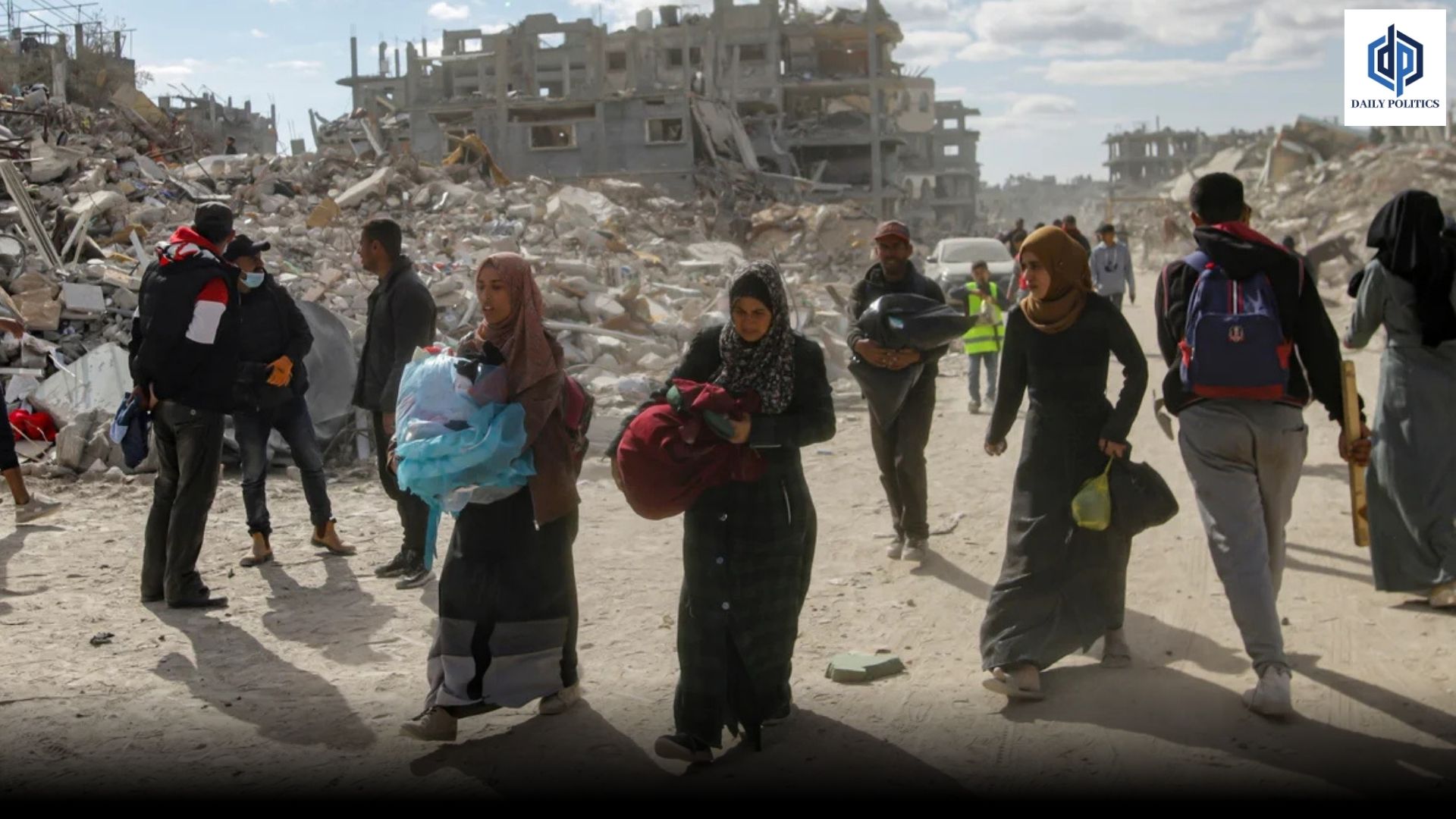
Global tensions are escalating to a crucial juncture, as numerous conflicts worldwide jeopardize the existing international order and could provoke a third global war.
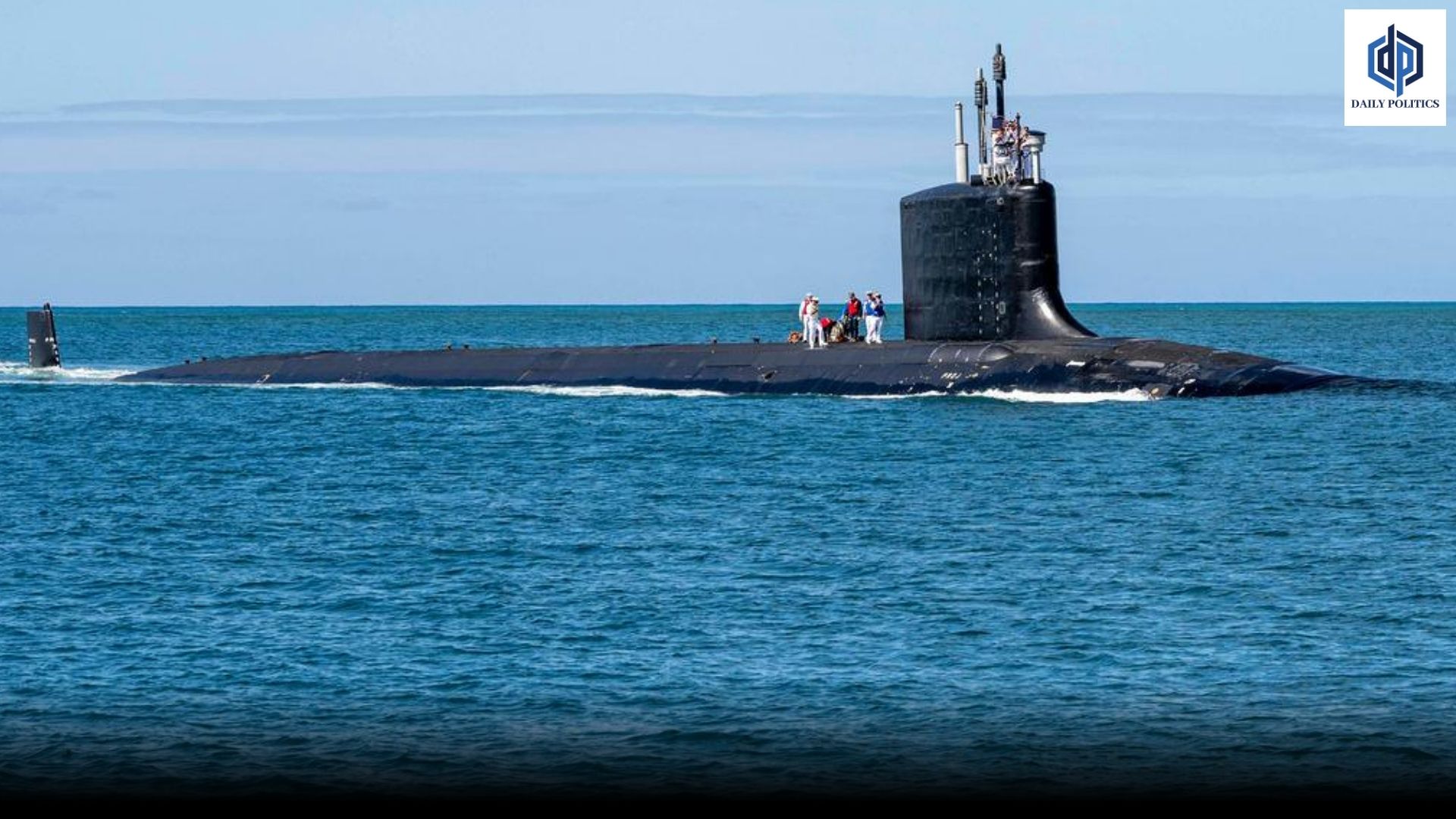
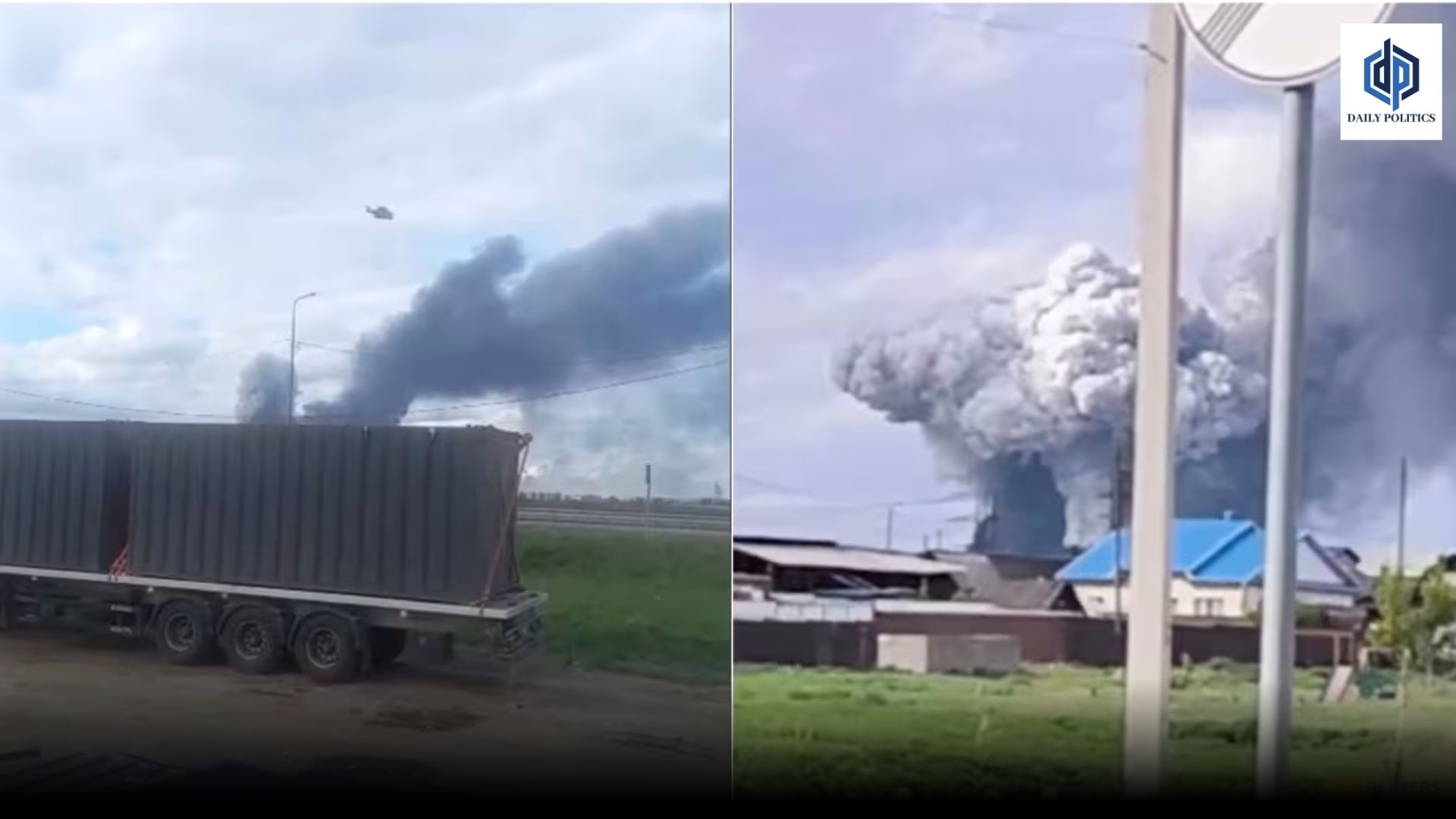
The Russia-Ukraine conflict enters its third year without indications of resolution. Western powers, particularly the United States, United Kingdom, and NATO, are providing progressively sophisticated military assistance, with reports indicating the involvement of Western special troops on the ground.
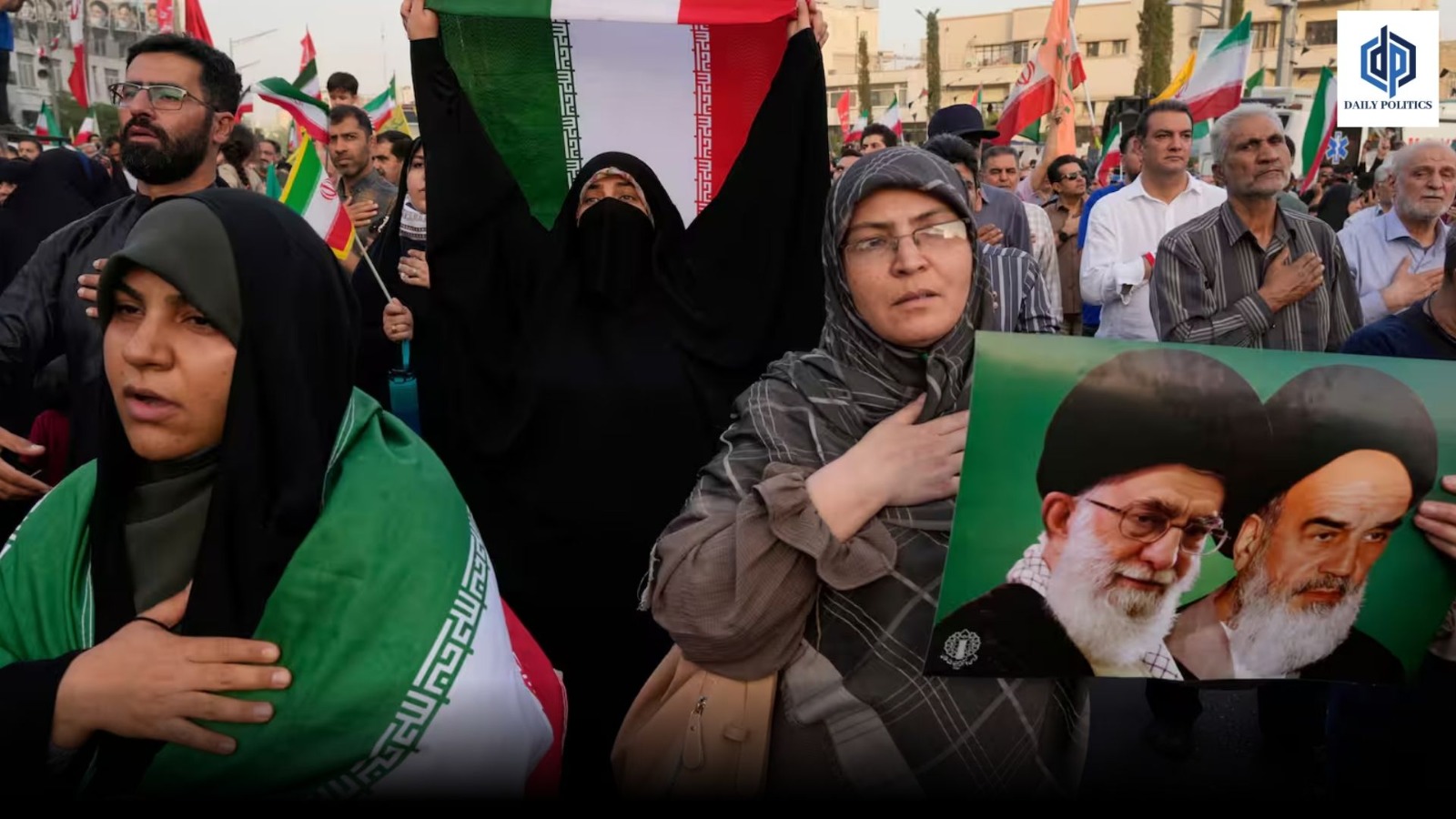
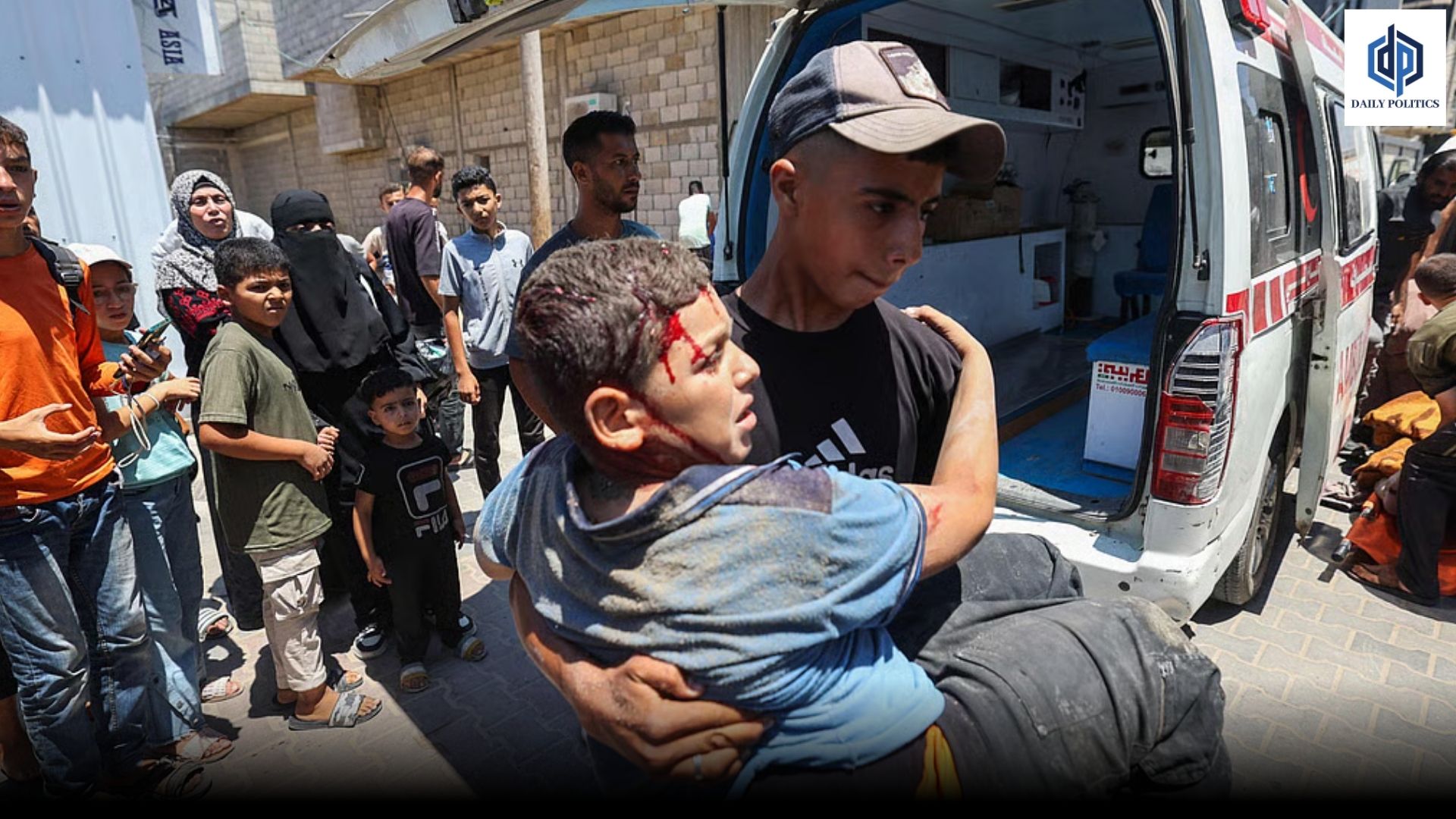
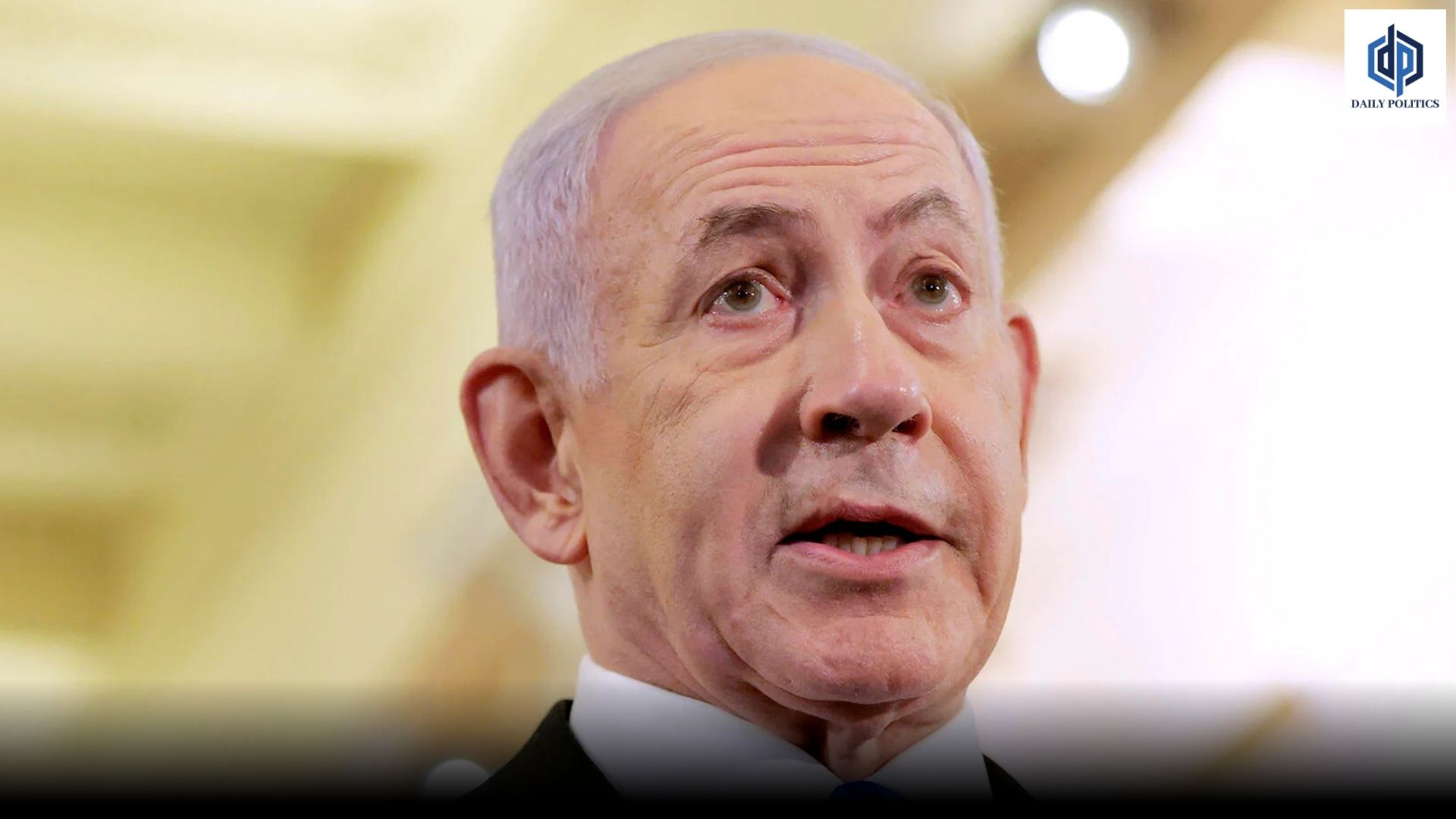
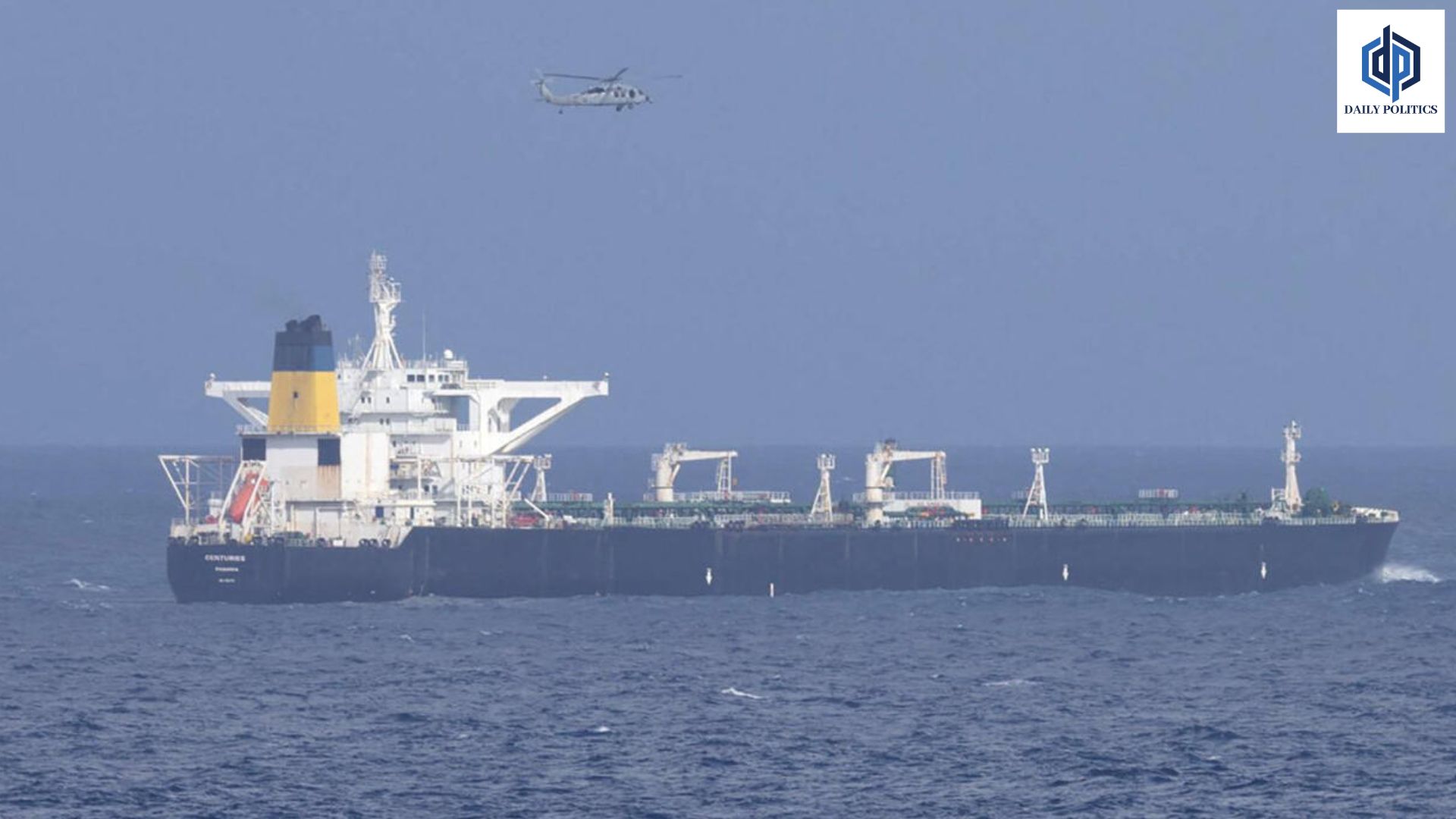
A perilous new front has emerged in the Middle East. In recent weeks, Iran and Israel have engaged in direct hostilities. Iran’s response to Israeli bombings has escalated tensions in the area, heightening concerns of extensive engagement by the United States and Gulf nations.
Tensions have once more escalated between India and Pakistan. This week’s artillery engagements along the Line of Control in Kashmir prompted diplomatic protests from both parties, eliciting concerns in Dhaka regarding the stability of South Asia.
Global Economy Facing Strain
The ramifications of these conflicts extend beyond the battlefield:
Oil prices escalated to $82 per barrel, jeopardizing fuel security in nations such as Bangladesh, which rely on imports.
Global inflation is reemerging, and central banks are retracting from rate reductions, increasing apprehensions for developing economies.
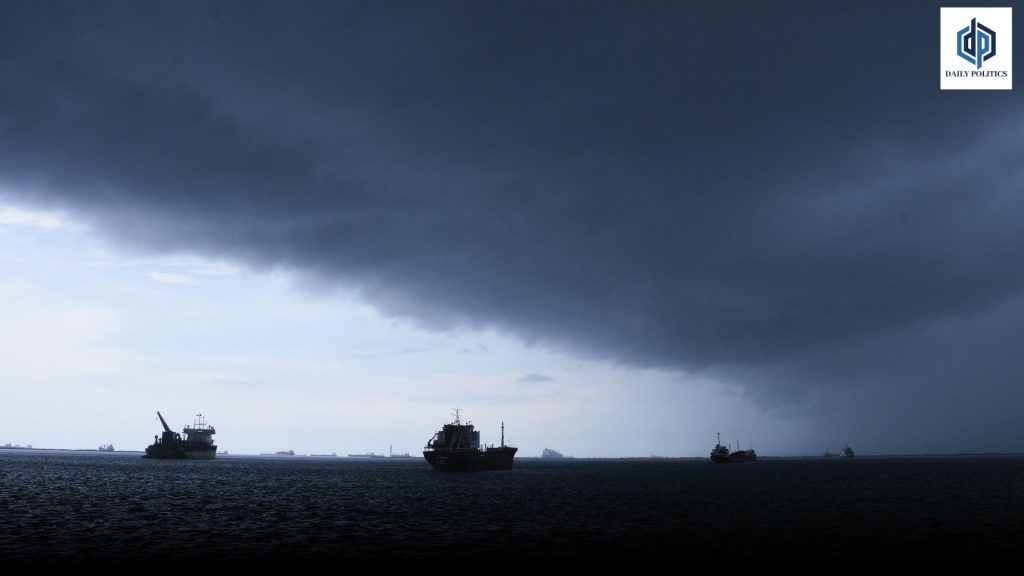
Trade routes across the Red Sea and Eastern Europe continue to exhibit volatility, jeopardizing supply chain stability.
Economists in Dhaka caution that sustained global uncertainty could elevate Bangladesh’s import expenses, hinder export expansion, and exert pressure on the taka.
“Should this spiral persist, nations such as Bangladesh—already susceptible to energy disruptions and dollar shortages—may encounter a significant economic
crisis,” stated Dr. Mahfuzur Rahman, an international trade specialist located in Dhaka.
🕊️ A Plea for Moderation
Despite global leaders’ appeals for calm, diplomatic efforts are deteriorating. The United Nations has been unsuccessful in facilitating breakthroughs, and regional alliances are becoming more entrenched.
The global landscape, from Washington to Moscow, Tel Aviv to Tehran, and Islamabad to New Delhi, appears ensnared in a perilous cycle of escalation.
Implications for Bangladesh:
Potential for elevated gasoline costs and trade interruptions
Geopolitical volatility in South Asia
Strain on foreign reserves and inflation control
Given its tiny size yet vital location, Bangladesh’s advocacy for peace and neutrality is becoming significant. In a world approaching conflict, Dhaka must navigate cautiously yet decisively.
📌 Remain with Bangladesh for updates on this evolving global catastrophe.
Comments are open below – what is your opinion? Are we approaching World War III?