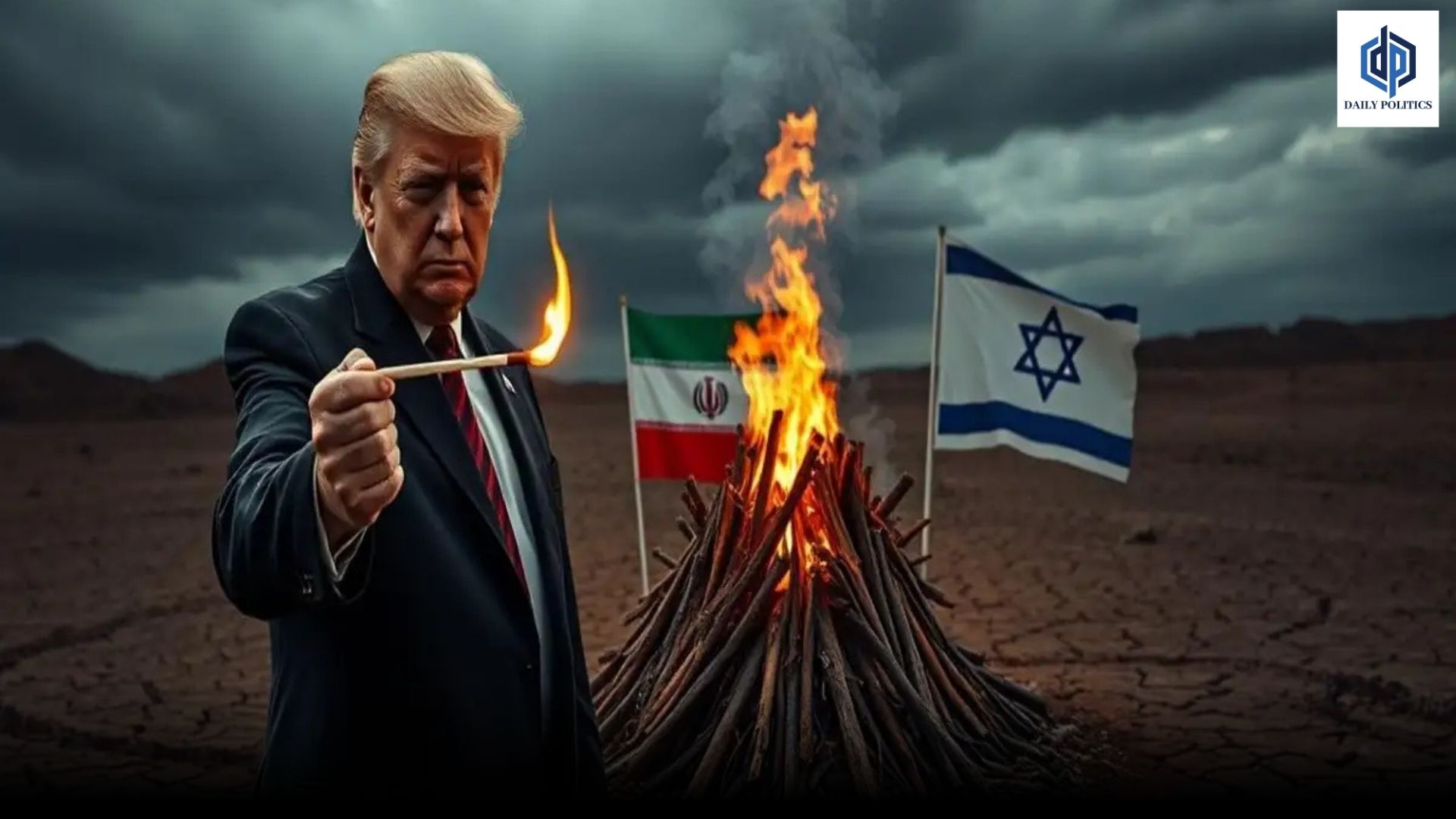
US President Donald Trump declared that an interim agreement to conclude the conflict with Iran was “over” on Wednesday following Tehran’s recent assaults on US sites in the Gulf.
In an escalation of hostilities that significantly increased oil prices, Iran announced it had targeted US military installations in Bahrain and Kuwait following US strikes on Iranian positions in retaliation for assaults on tankers in the Strait of Hormuz.
The assaults further compromised a fragile ceasefire agreement and diminished prospects of transforming the memorandum of understanding inked on June 17 into a lasting peace accord to conclude the conflict, which commenced with US-Israeli bombings on Iran on February 28.
Oil prices increase and stocks decline.
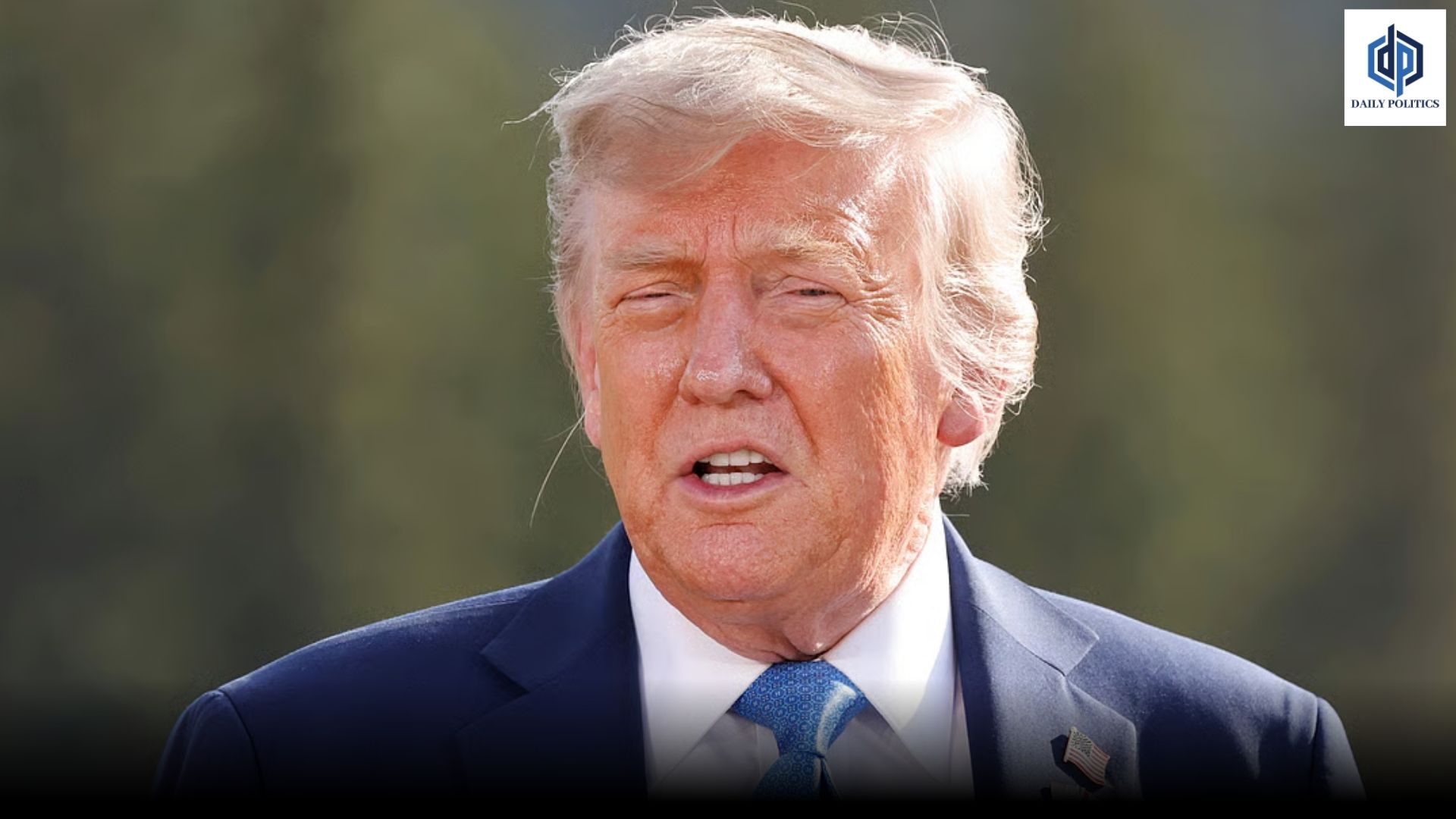
When questioned prior to a NATO conference in Turkey about the status of the memorandum of understanding, Trump responded, “It’s a very intriguing subject. I believe it is concluded. I wish to avoid interaction with them. They are contemptible individuals. They are unwell individuals. He informed reporters in Ankara that individuals with illnesses guide them. In my opinion, engaging with them is really a futile endeavor.
Despite Trump’s occasional retreat from his threats towards Iran, his recent remarks prompted a jump in oil prices and a decline in stock values.
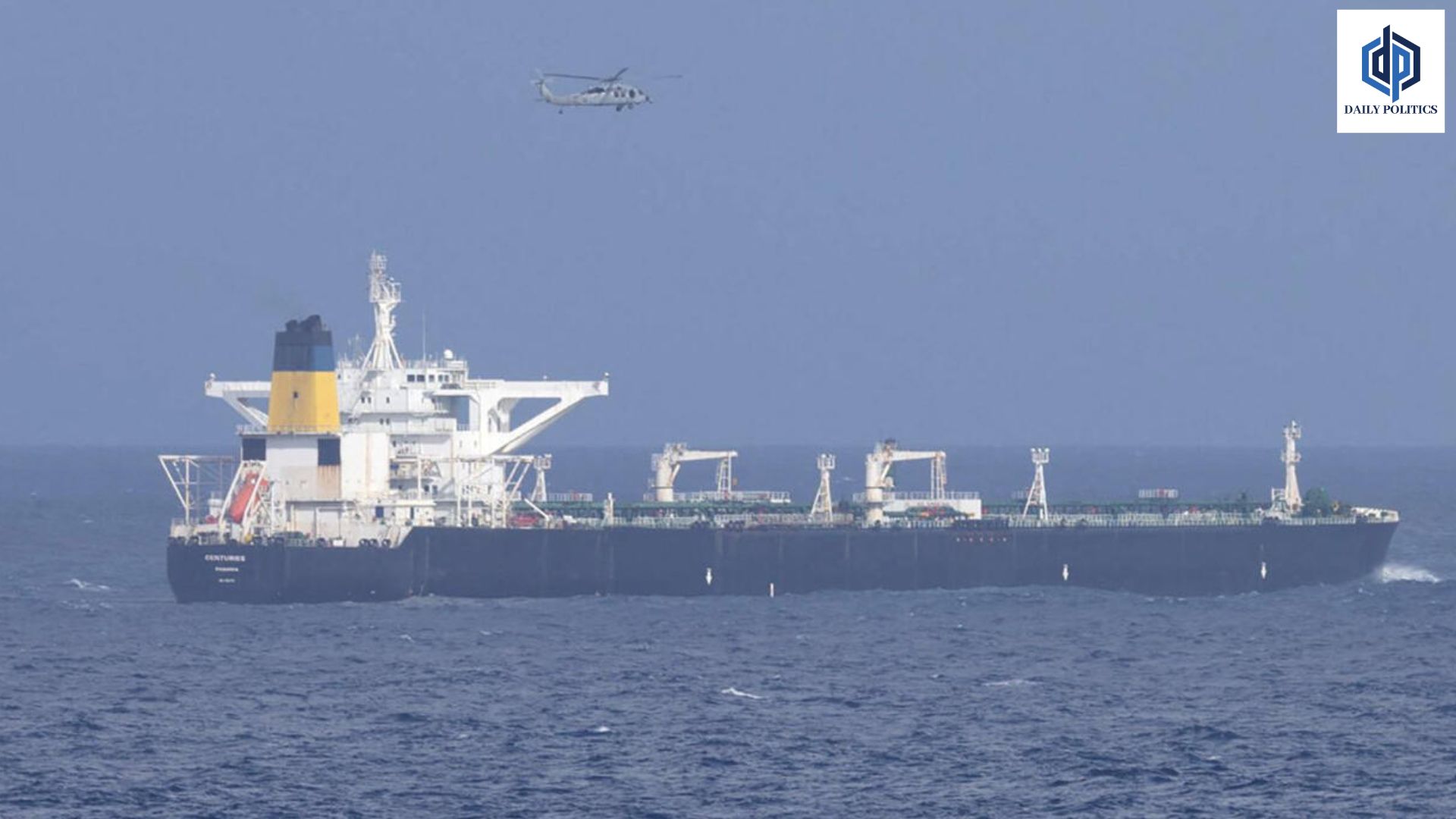
The escalated confrontations have intensified safety and security apprehensions regarding the Strait of Hormuz, as shipping data indicates that at least four oil and petrol tankers opted to retreat instead of attempting to navigate the crucial supply route.
Oil prices surged while global bond markets declined. Brent crude futures LCOc1 surged 5%, marking the largest daily increase since late May, reaching $78 a barrel. Operating Room
Although this figure was significantly lower than the high of over $120 observed during the height of the conflict, it was sufficient to introduce new inflationary risks into the bond market, especially as months of hostilities have depleted global oil stockpiles.
IRAN AND UNITED STATES TRADE ACCUSATIONS
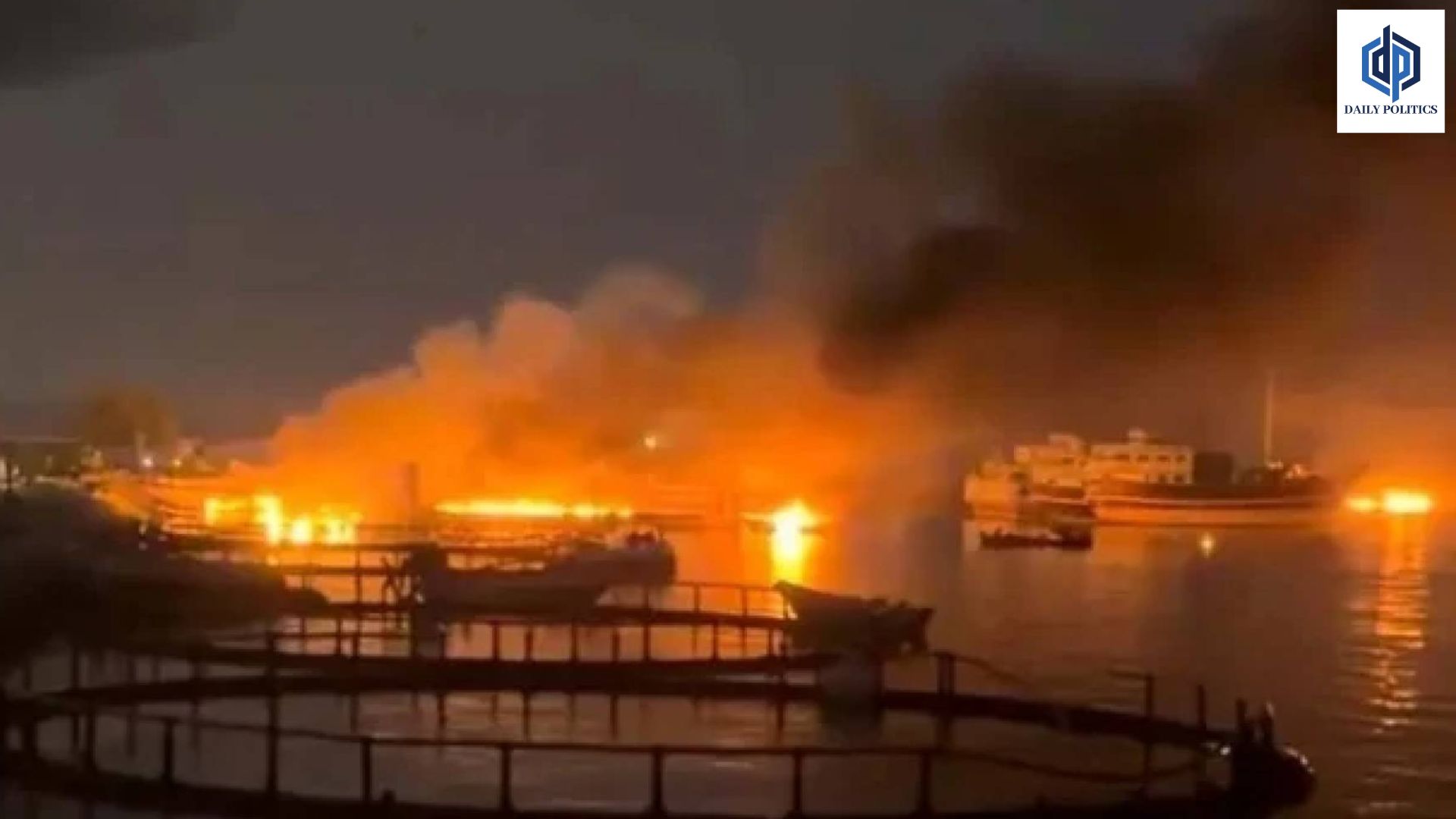
On Wednesday, Iran’s Revolutionary Guards (IRGC) announced that they had targeted US military installations in Bahrain and Kuwait and claimed to have downed a US MQ-9 drone that was attempting to disrupt the operation.
The United States already initiated new military operations and rescinded a license permitting Iran to sell oil in reaction to assaults on three tankers in the strait.
The US Central Command reported that around 60 small boats utilized by the IRGC were included among the targets struck in an operation aimed at imposing significant repercussions on Iran for its attacks on commerce, which contravened the truce. CENTCOM emphasized that Iranian forces’ unprovoked hostility blatantly and perilously breaches the truce, jeopardizing freedom of navigation.
NATO Secretary General Mark Rutte informed reporters prior to the NATO summit that the recent US attacks on Iran were “indispensable.”
EU foreign policy leader Kaja Kallas then stated, X: “The hostilities between the US and Iran significantly complicate the already tense negotiations to conclude the conflict. The assaults by Iran on Bahrain and Kuwait are intolerable.
The Khatam al-Anbiya Central Headquarters, Iran’s principal joint military command, denounced the US strikes as a “blatant act of aggression,” issued a threat of a “crushing response,” and cautioned that Tehran would not permit US intervention in the administration of the strait.
Mohammad Baqer Qalibaf, the speaker of the Iranian parliament and a leading negotiator, accused the United States of violating the ceasefire agreement. He referenced not only the recent US military operations but also the reimposition of oil restrictions, infringements on Iranian “adjustments” in the Strait of Hormuz, and Israeli assaults on Lebanon. The period of harassment and coercion is concluded,” Qalibaf stated in a post on X. We remain resolute.
Iranian media had claimed explosions in Kharg Island, Iran’s primary oil center, as well as on Qeshm Island and in the southern port cities of Sirik and Bandar Abbas.
Press TV of Iran reported multiple explosions were audible on southern Kharg Island. CENTCOM did not reference Kharg Island, the site from which Iran exports 90% of its crude oil.
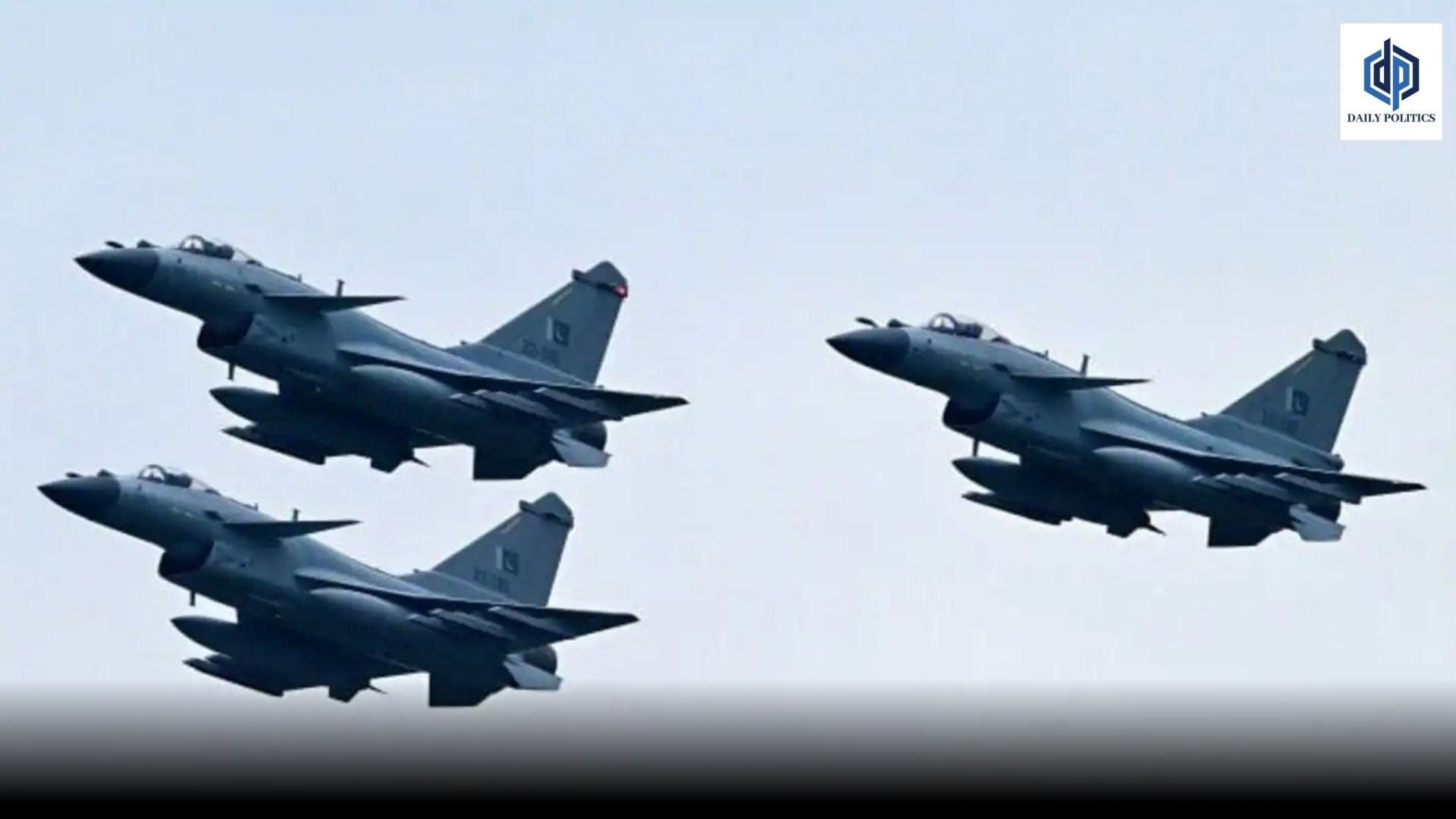
A US official informed Reuters that the strikes aimed at targeting Iranian air defense systems, coastal surveillance systems, surface-to-air missiles, anti-ship cruise missiles, and drone launch locations.
No civilian fatalities were reported in Iran.
Iran aims to exploit its dominance over the Strait.
The control of the Strait of Hormuz has endowed Tehran with significant leverage, enabling it to impose a stalemate against the world’s most formidable military.
Analysts assert that Tehran employs assaults on vessels to emphasize its leverage while negotiating a comprehensive peace agreement with the United States.
According to the interim US-Iran agreement, the US Treasury issued a general license on June 22 permitting the sale of crude oil, petrochemicals, and petroleum products of Iranian origin until August 21. By cancelling that license on Tuesday, it granted Iran till July 17 to terminate any transactions.
The Iranian foreign ministry denounced the action as a violation of the framework deal intended to conclude the conflict, adding that Washington would be accountable for the repercussions.
The ministry stated that Iran would undertake any actions it saw as essential to protect its interests and national security.