On Thursday, the United States and Iran exchanged attacks for the second consecutive day as they contended over the key Strait of Hormuz.
The crucial oil shipping corridor is a contentious issue in the Middle East conflict, with Tehran asserting its authority over the strait, which had previously allowed unrestricted passage prior to the US-Israeli assaults in February.
Following the exchange of gunfire on Wednesday, US President Donald Trump declared the ceasefire with Iran to be “over,” while remaining receptive to further negotiations and asserting that any military actions would be brief.
US forces stated that the recent assaults on Iran targeted “its capacity to jeopardize the freedom of navigation in the Strait of Hormuz,” referencing recent attacks on commercial vessels in the canal.
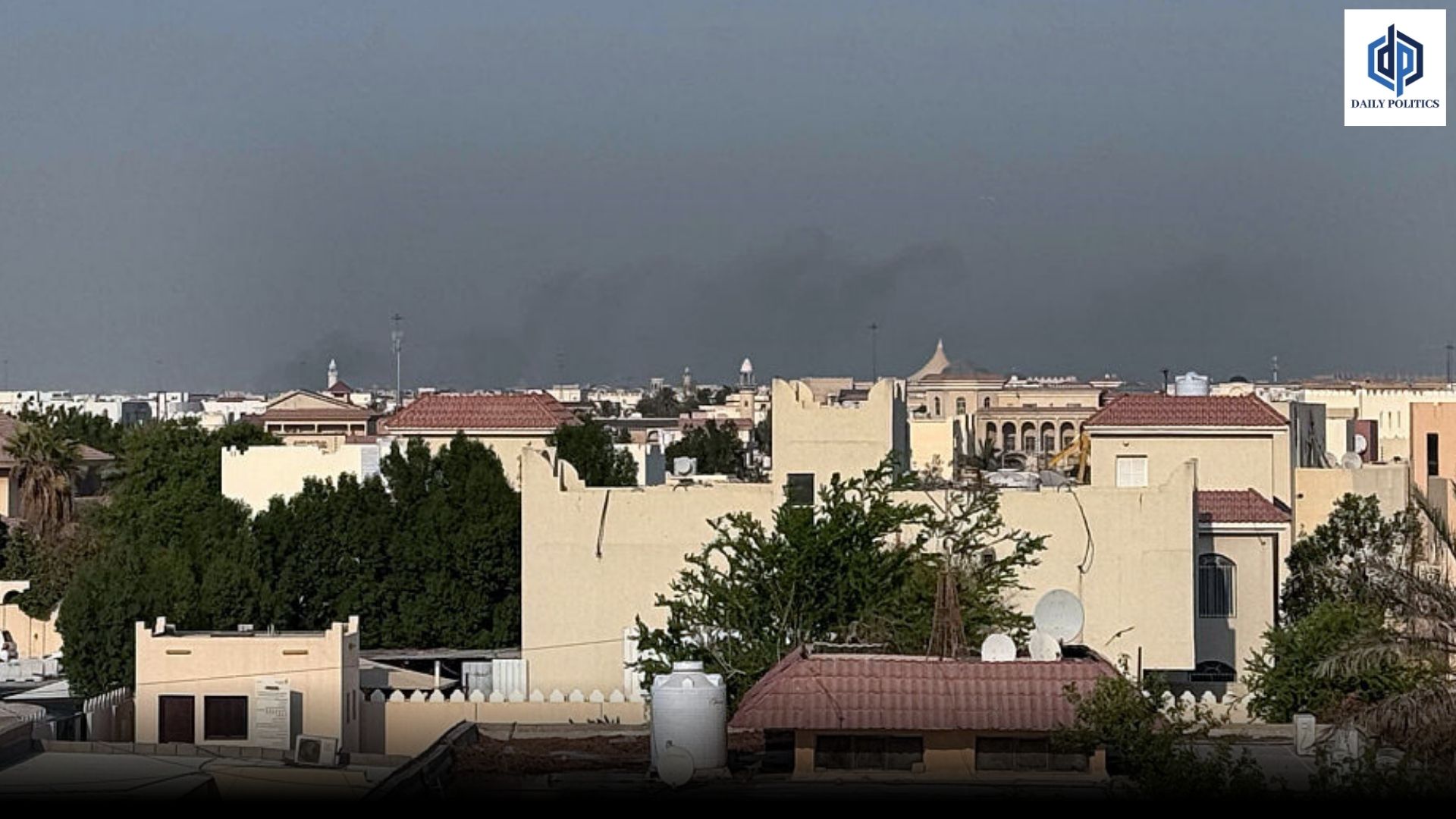
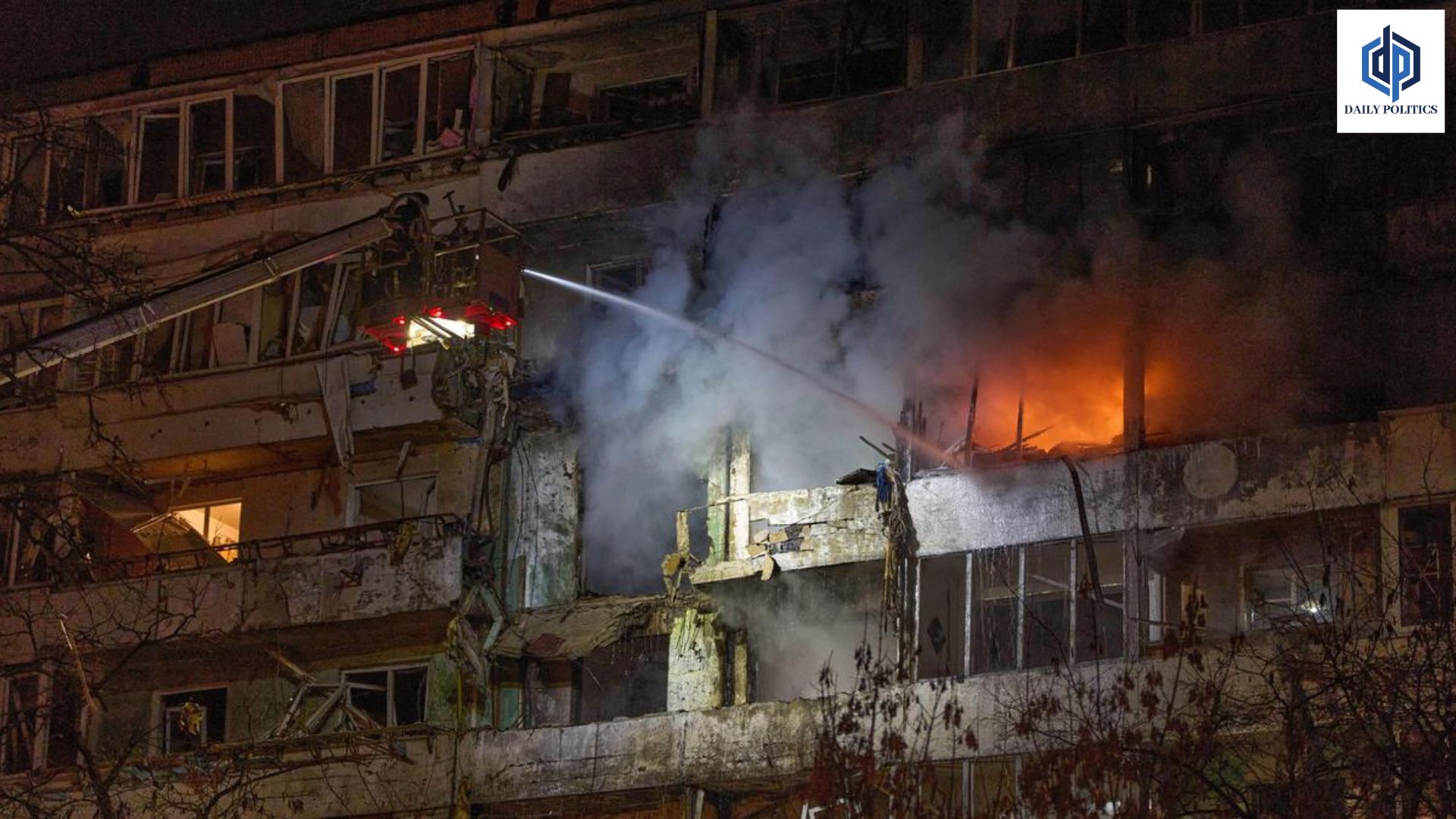
The Islamic Revolutionary Guard Corps (IRGC) announced that they targeted US military installations in Bahrain and Kuwait on Thursday in retaliation for recent American airstrikes.
An AFP correspondent reported hearing explosions in Manama, the capital of Bahrain, while Kuwait announced the interception of “hostile missile and drone attacks.”
American airstrikes targeted a railway bridge in northeastern Iran, as reported by multiple official media outlets, while the official IRNA news agency indicated strikes on a military installation in coastal Bushehr, home to the country’s sole civilian nuclear power facility.
The US Central Command later reported that they had targeted around 90 military installations.
Warplanes were previously audible above Iran’s Kish Island, and explosions occurred in the port cities of Bandar Abbas, Konarak, and Chabahar, with some areas experiencing power outages, according to IRNA. Trump stated in a Wednesday post on Truth Social, “This action is in retaliation for yesterday’s bombing of ships by Iran. Should it recur, the consequences will significantly escalate!
On Wednesday, when addressing reporters aboard Air Force One, Trump stated that the Iranian representatives had “called a little while ago” and expressed a strong desire “to strike a deal.”
Trump did not disclose any specifics regarding the call, including the participants, but proceeded to question the worth of any agreement, labeling the Iranians as “somewhat irrational.”
Dominion over the strait
The chief negotiator of Iran stated on Thursday that the Strait of Hormuz will be accessible solely under “Iranian arrangements.” Mohammad Bagher Ghalibaf stated on X that the United States has yet to comprehend that bullying and failing to uphold its commitments now entail repercussions. To be unequivocal: If you initiate an attack, you will face retaliation.
Following the US-Israeli bombings that instigated conflict in February, Tehran has asserted its authority over the strait, declaring its intention to impose fees for passage and threatening to target vessels that stray from its designated route.
The recent strikes occur just prior to the Thursday interment of Ali Khamenei, Iran’s previous supreme leader, who was assassinated during the onset of the conflict on February 28.
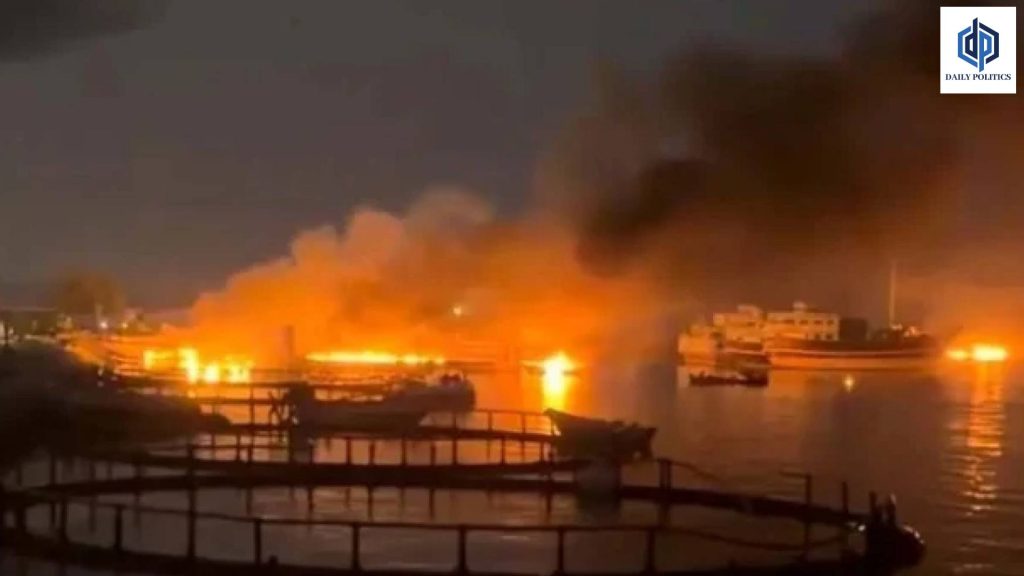
The military targeted a minimum of three vessels in recent days, leading to significant US strikes on Iranian positions on Tuesday.
UN Secretary-General Antonio Guterres urged all parties to exhibit utmost moderation, a sentiment echoed by Pakistan, a crucial mediator in the US-Iran negotiations.
Iran announced that Foreign Minister Abbas Araghchi and Qatar’s prime minister engaged in a telephone conversation on Wednesday, emphasizing the significance of employing diplomatic methods to address regional concerns.
The strikes occur shortly before the Thursday interment of Ali Khamenei, Iran’s former supreme leader, who was assassinated during the onset of the conflict on February 28.
Both the United States and Iran reported striking numerous targets in the initial round of assaults, with Iranian state media stating that eight Iranian military men were killed.
CENTCOM reported that its forces targeted around 80 sites on Tuesday, while the Guards claimed to have struck numerous US military installations in Kuwait and Bahrain.
A US military official stated on Wednesday that the recent assaults by Iran did neither yield any American casualties nor inflict significant damage to installations.
Mariners marooned
Oman, located across the Strait of Hormuz from Iran, and denounced the attacks on Bahrain and Kuwait, as well as the assaults on vessels, although it refrained from attributing blame to Iran.
The previous mediator has refrained from attributing blame to Iran for assaults during the conflict, striving to uphold its impartiality, which is currently being challenged by negotiations with Tehran regarding the governance of Hormuz.
Washington seeks unrestricted transit for vessels; however, Iran demands tolls and has prohibited ships from traversing Omani waters.
All three vessels that were recently struck were navigating near Oman, which had suggested a temporary transit lane along its coastline.
Maritime commerce has tentatively recommenced following the agreement between Washington and Tehran to terminate hostilities last month.
Arsenio Dominguez, president of the International Maritime Organization, reports that approximately 6,000 seamen remain trapped in the region. trapped in the region.