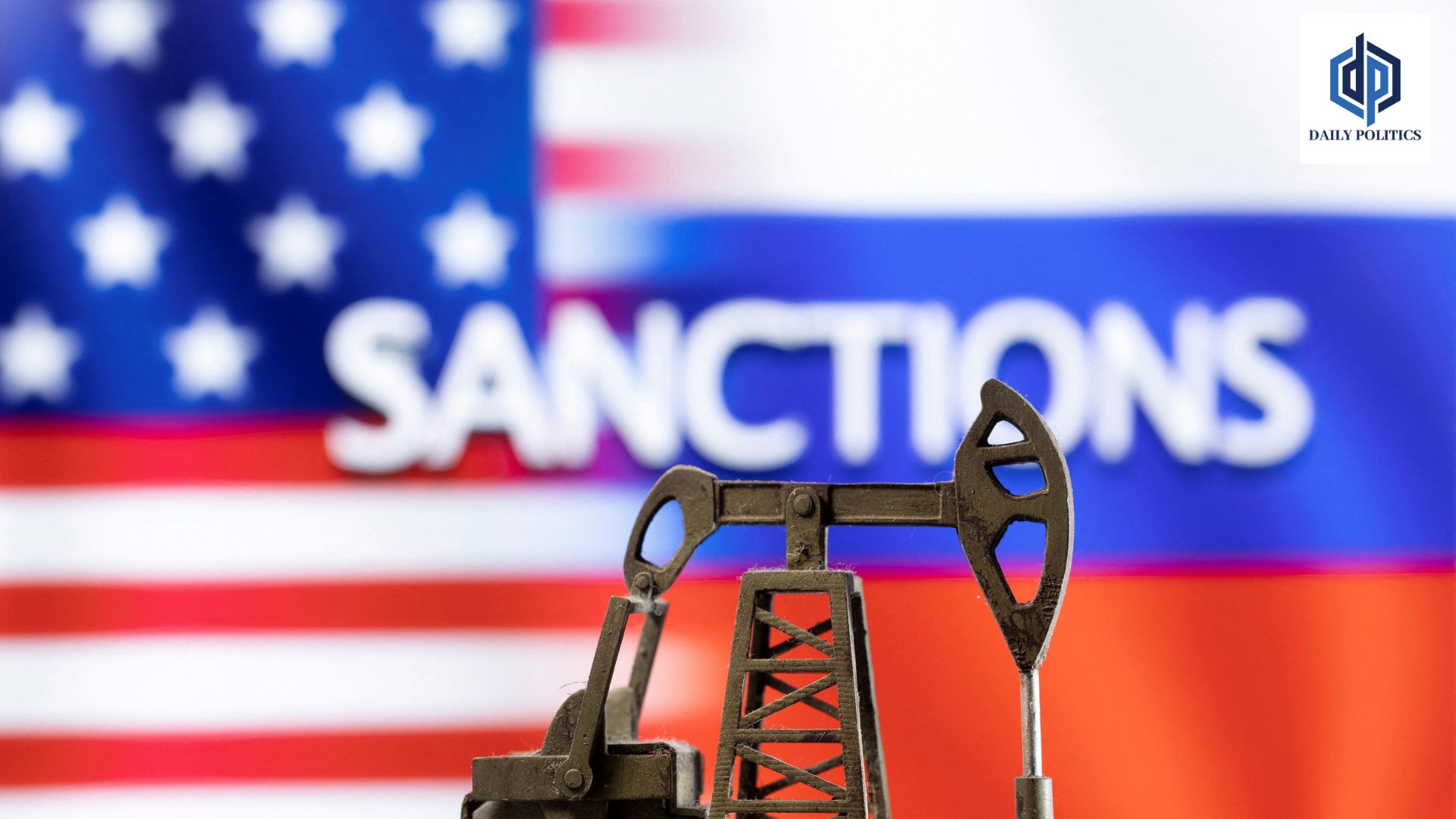
Oil prices surged almost four per cent on Monday following another escalation between the United States and Iran that jeopardised their tenuous truce, while South Korean stocks plummeted as technology companies faced a renewed downturn.
The resumption of hostilities in the Middle East ensued after last week’s exchange of gunfire and coincided with negotiators’ efforts to achieve a sustainable peace agreement to maintain the vital Strait of Hormuz open.
On Sunday, the US military initiated a new series of strikes following intensified hostilities over the canal, which resulted in several of Washington’s Gulf allies being attacked.
The primary oil contracts, which have declined since the news of the accord, surged by as much as 4.5 per cent, exacerbating concerns that inflation—already heightened due to the war—may compel central banks to increase interest rates.
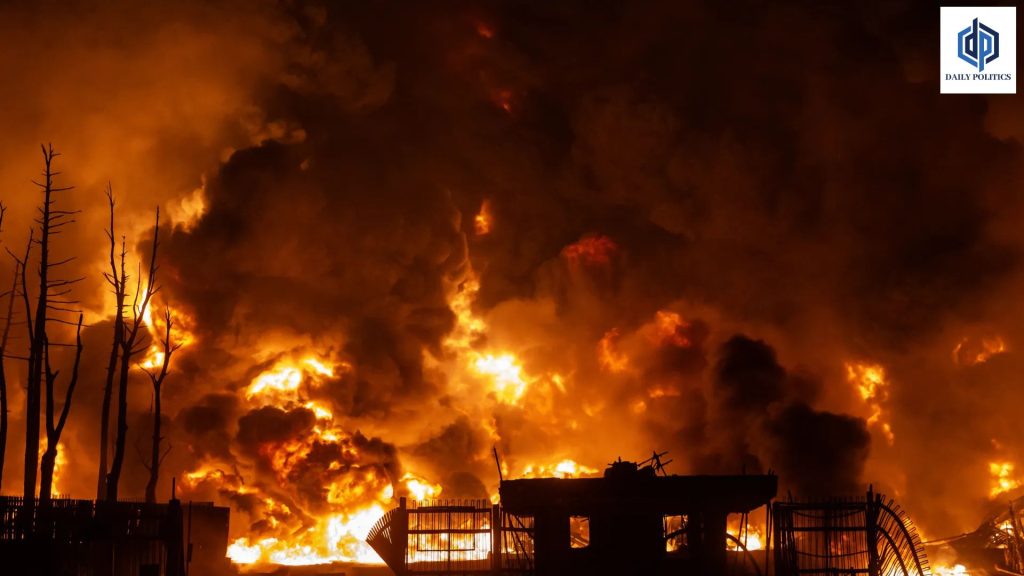
The resurgence of hostilities ensued following an Iranian assault on a commercial vessel in the strait early Sunday, compelling the crew to evacuate as the ship ignited.
The Revolutionary Guards of Iran announced post-incident that “the Strait of Hormuz will remain closed until further notice and until the cessation of American interventions in this region”, as reported by the state news agency IRNA.
CENTCOM asserted on X that the waterway was “accessible to all vessels seeking lawful passage”.
Fawad Razaqzada, a market analyst at Forex.com, stated: “One can well envision the situation deteriorating swiftly. Certainly, hyperbole can be mitigated. We have previously seen the film. Currently, dealers are compelled to anticipate the worst.
However, the resurgence of hostilities has led to another increase in crude prices; IG analyst Fabien Yip indicated that these prices are unlikely to reach the elevated levels observed following the onset of war on 28 February. “The resurgence of oil prices to pre-war levels in June indicated that markets were anticipating an optimal scenario for the tenuous US-Iran agreement,” she stated, further noting that the “re-escalation reveals the precariousness of that assumption.” The short term, the risk premium is expected to sustain prices; nevertheless, a recurrence of the previous jump seems improbable, since demand is sluggish to rebound while the release of stranded tankers and the extension of OPEC+ output quotas contribute additional barrels to an already oversupplied market.
In financial markets, Seoul plummeted nine per cent at one point as technology companies faced additional selling pressure following weeks of volatility driven by concerns regarding inflated valuations and uncertainties around the substantial investments in the AI sector.
The Kospi was adversely affected by a decline of over 15 per cent in market leader SK Hynix, continuing a recent trend of selling that has seen the semiconductor giant losing about 40 per cent since reaching a peak last month.
The loss occurred after the company’s US-listed shares surged over 13 per cent upon their debut in New York, following a record $26.5 billion share offering. Competitor Samsung experienced a decline of more than 10 per cent.
Tokyo experienced declines, particularly among technology companies Advantest and Tokyo Electron.
Shanghai, Singapore, Wellington, Manila, Mumbai, and Jakarta experienced declines.
Nonetheless, Hong Kong, Taipei, and Manila experienced an increase.
London commenced with increases, while Paris and Frankfurt experienced slight declines.
The dollar appreciated due to safe-haven demand and speculation that the Federal Reserve may need to increase interest rates at least once this year to control inflation driven by war.
Investors are preparing for the upcoming earnings season, which will be scrutinized for insights into the prospects of the AI industry.
This week has updates from Taiwanese semiconductor leader TSMC and Dutch company ASML, which manufactures chip fabrication equipment.
Several Wall Street institutions, including JP Morgan, Bank of America, and Goldman Sachs, are preparing to submit filings.