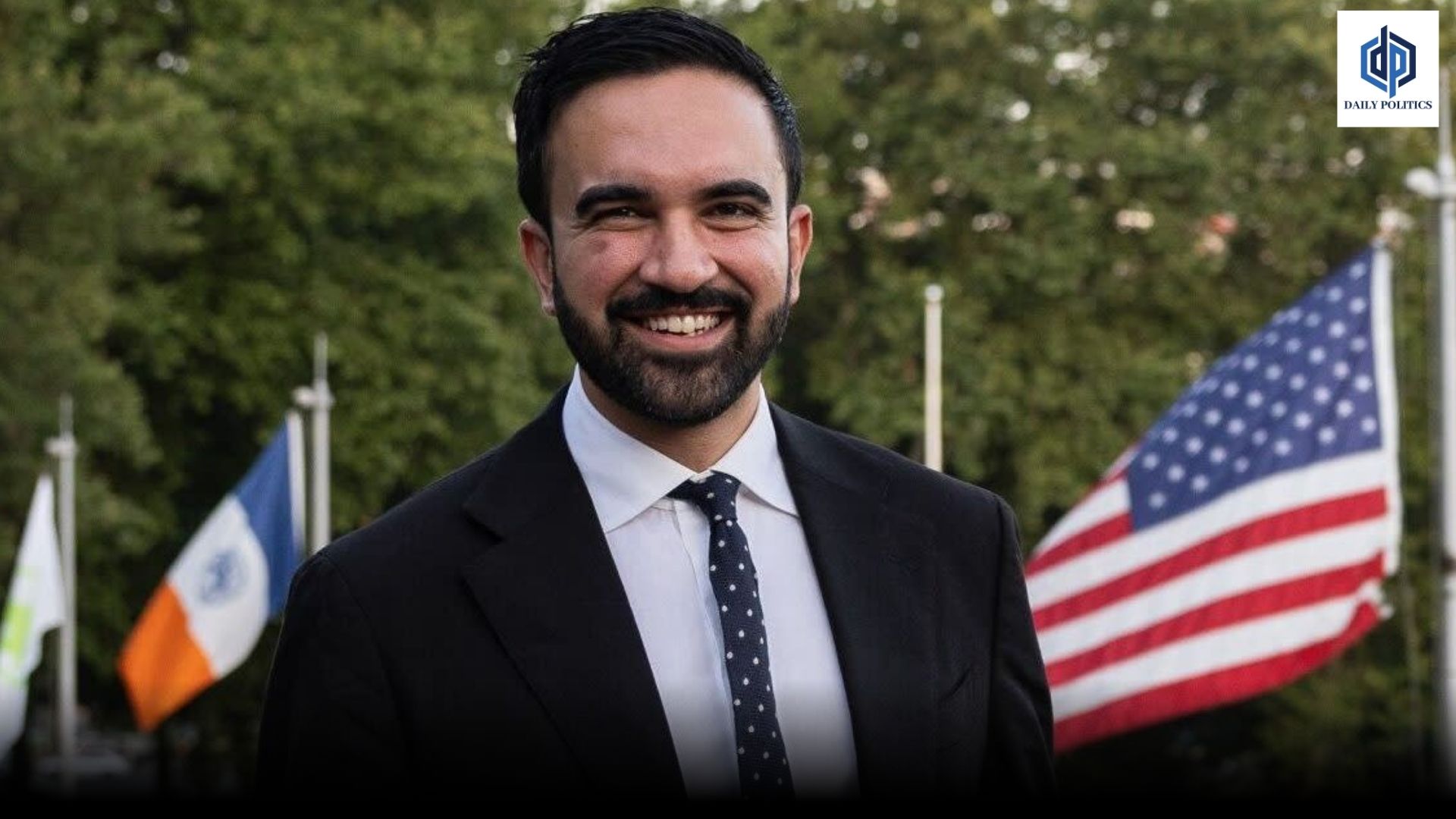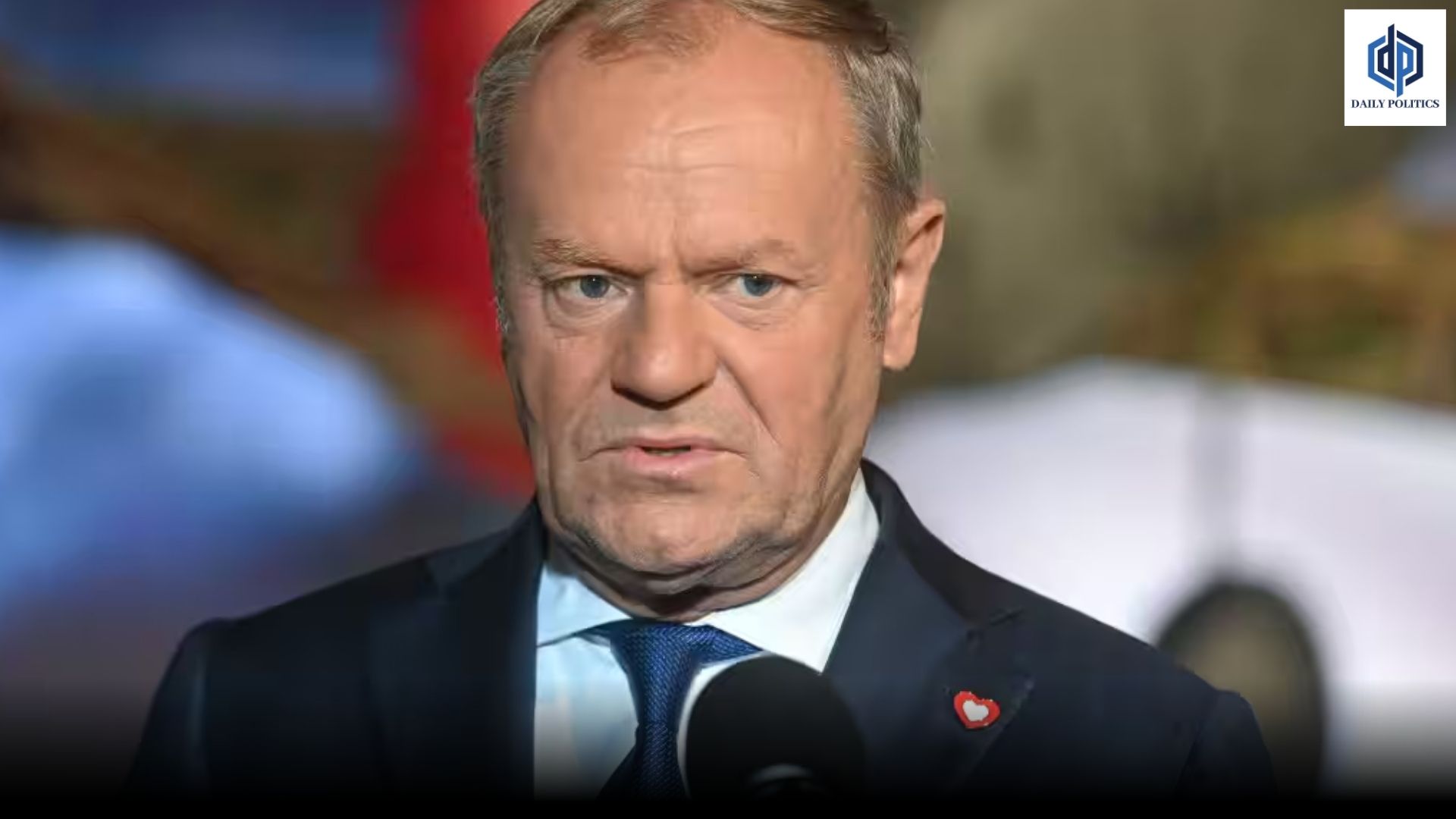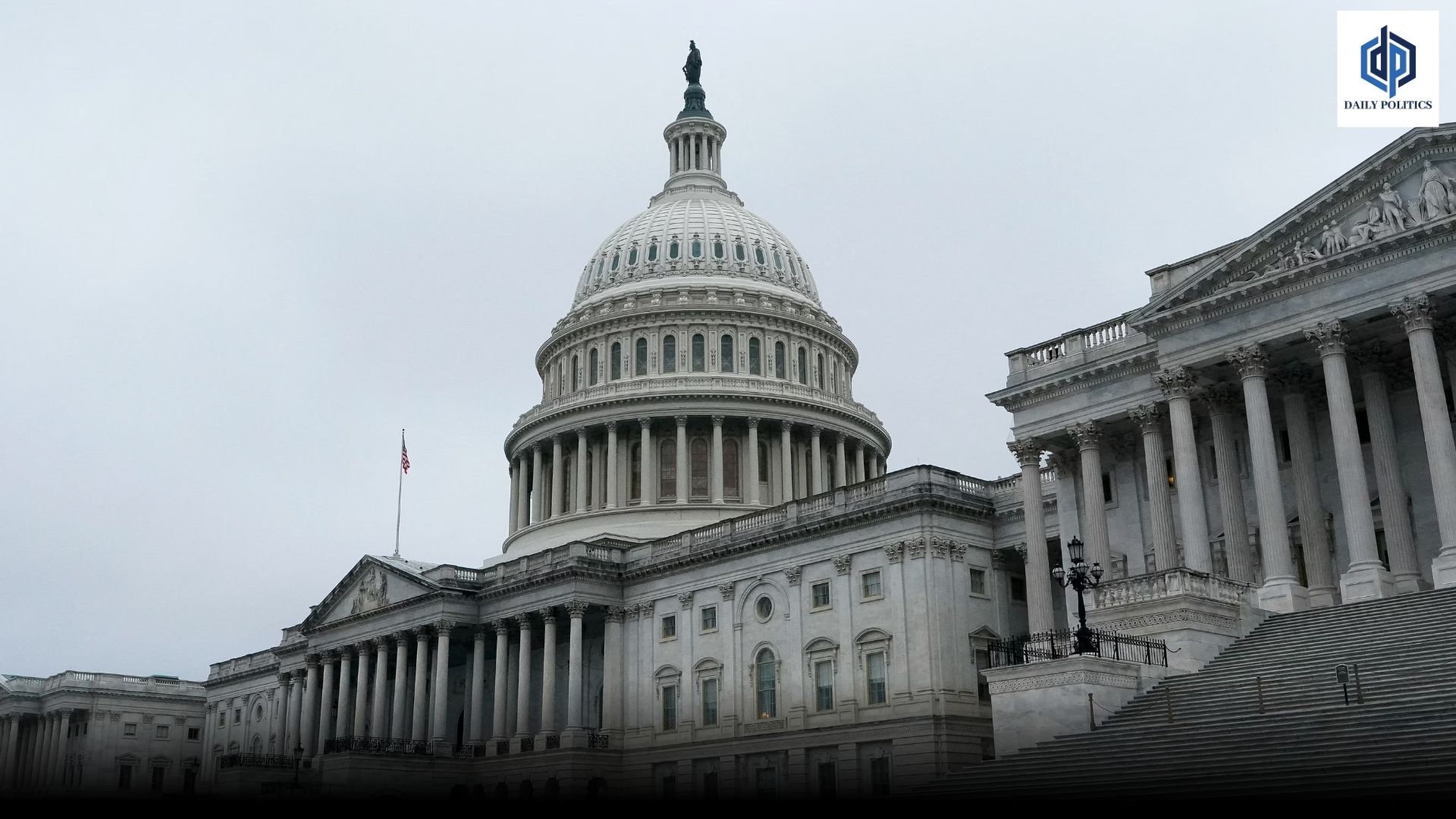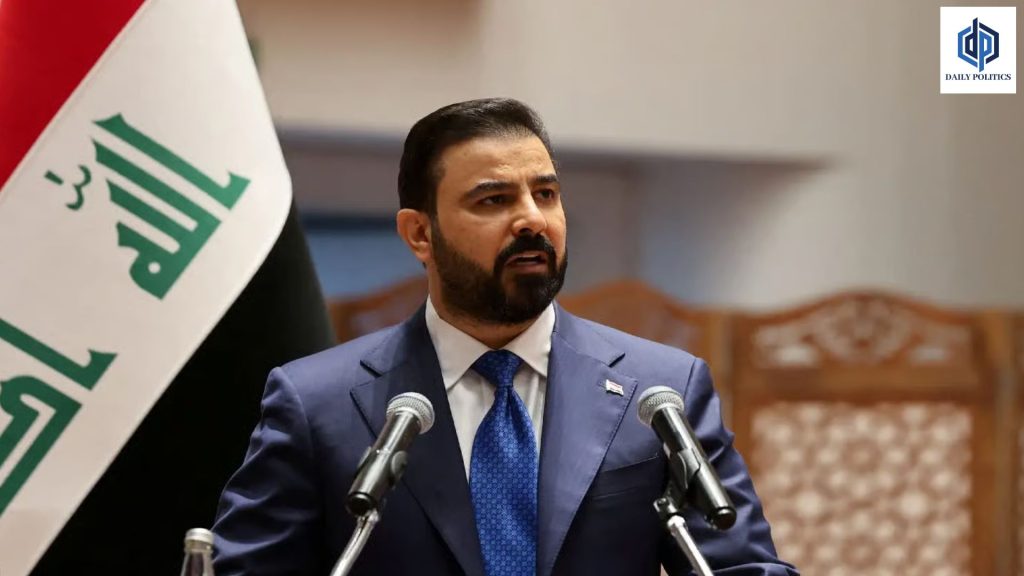
Iraqi Prime Minister Ali al-Zaidi is scheduled to meet with US President Donald Trump in Washington on Tuesday, as the US administration intensifies pressure on Baghdad to mitigate Iranian influence.
His visit occurs during heightened military tensions between the United States and Iran, Iraq’s primary ally.
The animosity between Washington and Tehran has historically transformed Iraq into a proxy conflict zone, compelling succeeding governments to navigate a precarious equilibrium between the two adversaries.
Zaidi landed in Washington on Monday for his inaugural international tour since taking office—a week-long journey during which he would engage with Trump, US officials, and representatives from oil firms.
A businessman who ascended to power this year with US endorsement following Trump’s veto of an alternative nominee, Zaidi pledged to enhance Iraq’s precarious economy and to disarm the pro-Iran militia groups that have attacked US installations.
In a Washington Post op-ed before his visit, Zaidi stated that he heads “a government dedicated to guaranteeing that the state maintains the legitimate monopoly on the use of force.”
His administration has granted armed factions, classified as terrorist organizations by Washington, a deadline of September 30 to disarm, coinciding with the conclusion of the US-led anti-jihadist coalition’s mission.
An anonymous senior Iraqi lawmaker told AFP that even if the present government embraces a more pro-US approach, focusing on economic priorities, “it does not imply that Iraq is opposing Iran.
Iraq “must preserve the enduring equilibrium” among its allies, he stated.
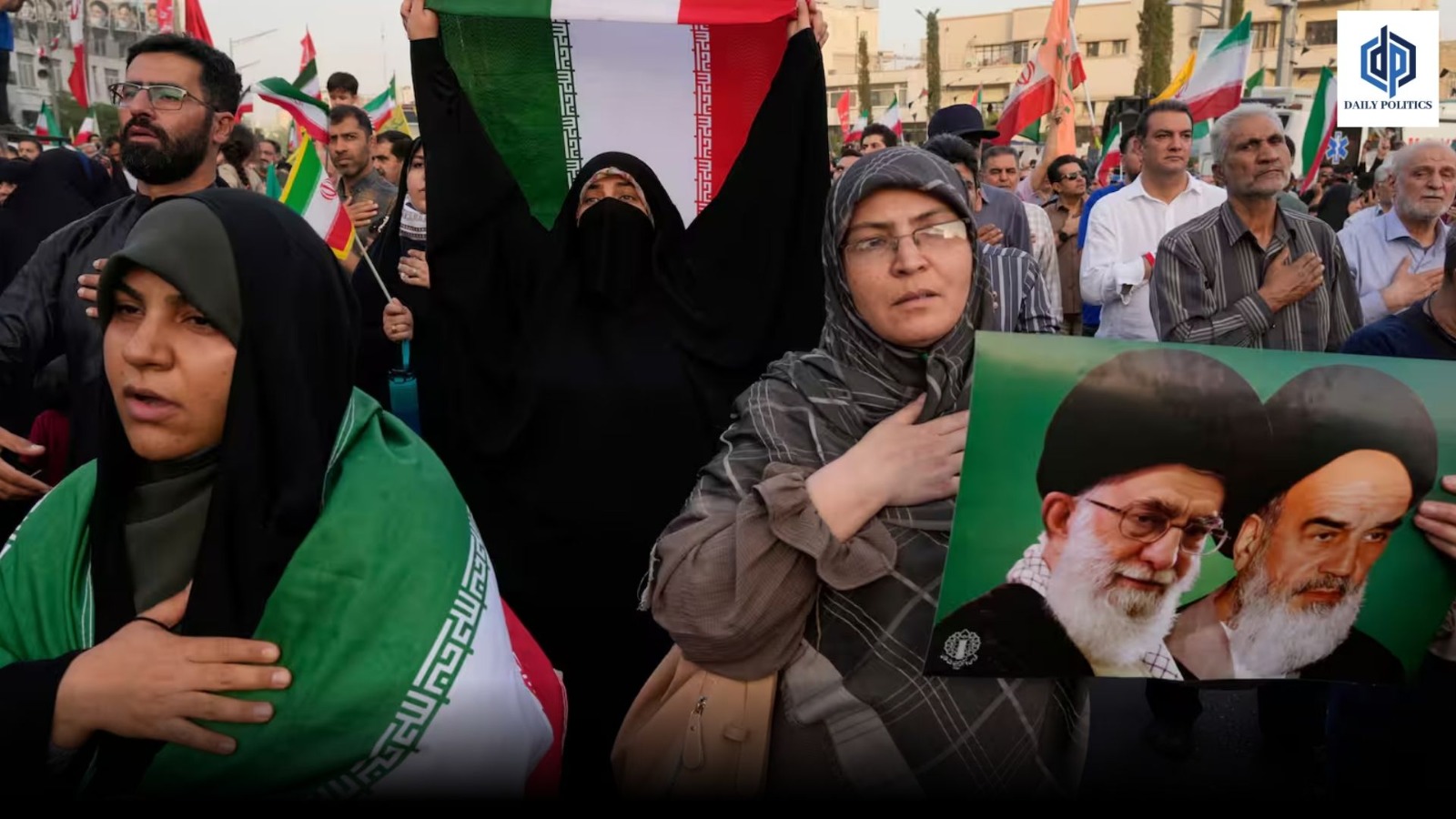
Last week, Iraq’s sacred towns, which include Shia Islam’s most revered shrines, had a substantial funeral procession for Iran’s deceased supreme leader Ali Khamenei, who was assassinated in a US-Israeli strike on Tehran.
The Iraqi government asserts that sustaining a governmental monopoly on armaments is essential for attracting investors.
In his op-ed, Zaidi conveyed to the United States that Iraq “distinguishes itself from regional alignments and conflicts, opting instead for a trajectory of development.”
The United States has reinstated cash shipments for Iraq’s oil earnings, managed by the Federal Reserve Bank of New York since 2003.
Washington had halted funding earlier this year while exerting pressure on Baghdad to disarm the pro-Iranian militia.
While several armed factions have expressed willingness to collaborate with Zaidi, others steadfastly refuse to disarm.
Pro-Iran armed factions in Iraq have experienced a rise in their political and financial influence over the years and have consistently advocated for the evacuation of American forces stationed in the anti-jihadist coalition.
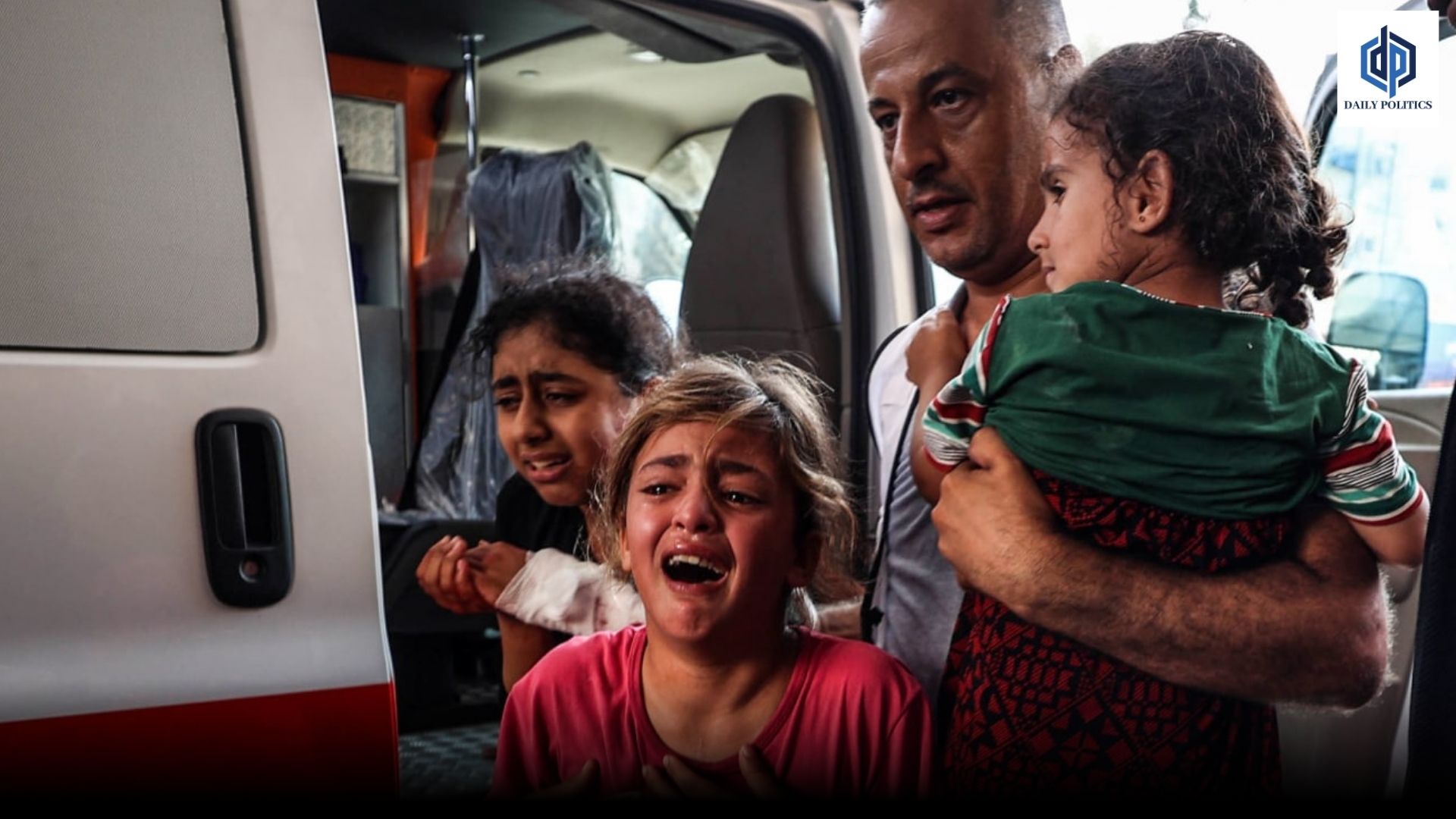
During the Middle Eastern conflict, they intervened in behalf of Tehran, attacking US installations in Iraq over 600 times.
The senior legislator stated that certain factions are likely to remain armed “as long as there is conflict in the region,” since neither they nor Iran will consent to disarmament “while conflict persists in the region.”
Last week, the Islamic Resistance in Iraq, a coalition of Iran-supported militant factions, expressed its opposition to Zaidi’s travel to Washington.
The organizations stated their intention to enhance their capabilities and cautioned against “substituting military occupation with a potentially more perilous kind of economic occupation.
– Investments –
Oil-rich Iraq is endeavoring to transcend decades of conflict and instability, but it continues to grapple with inadequate infrastructure, deficient public services, mismanagement, and pervasive corruption.
In his op-ed, Zaidi stated that in Washington he will generate “opportunities that have a quantifiable economic impact” and desires “prominent American corporations to explore prospects in the development of Iraq’s infrastructure.
Recently, Iraq has entered into multiple agreements with American firms in the oil and gas industry.
In the United States, Zaidi is anticipated to formalize more agreements, including one to create a fund wherein Iraq will contribute half a million barrels of oil daily in return for assistance in enhancing the nation’s electricity supply.
Iraq, a founding member of OPEC, was significantly impacted by the Middle East war, just as other oil producers were. The Middle East war significantly impacted Iraq, just as it did other oil producers.
It is significantly reliant on oil exports, which provide approximately 90 percent of its budgetary revenues, with the majority of its crude traversing the contested Strait of Hormuz.