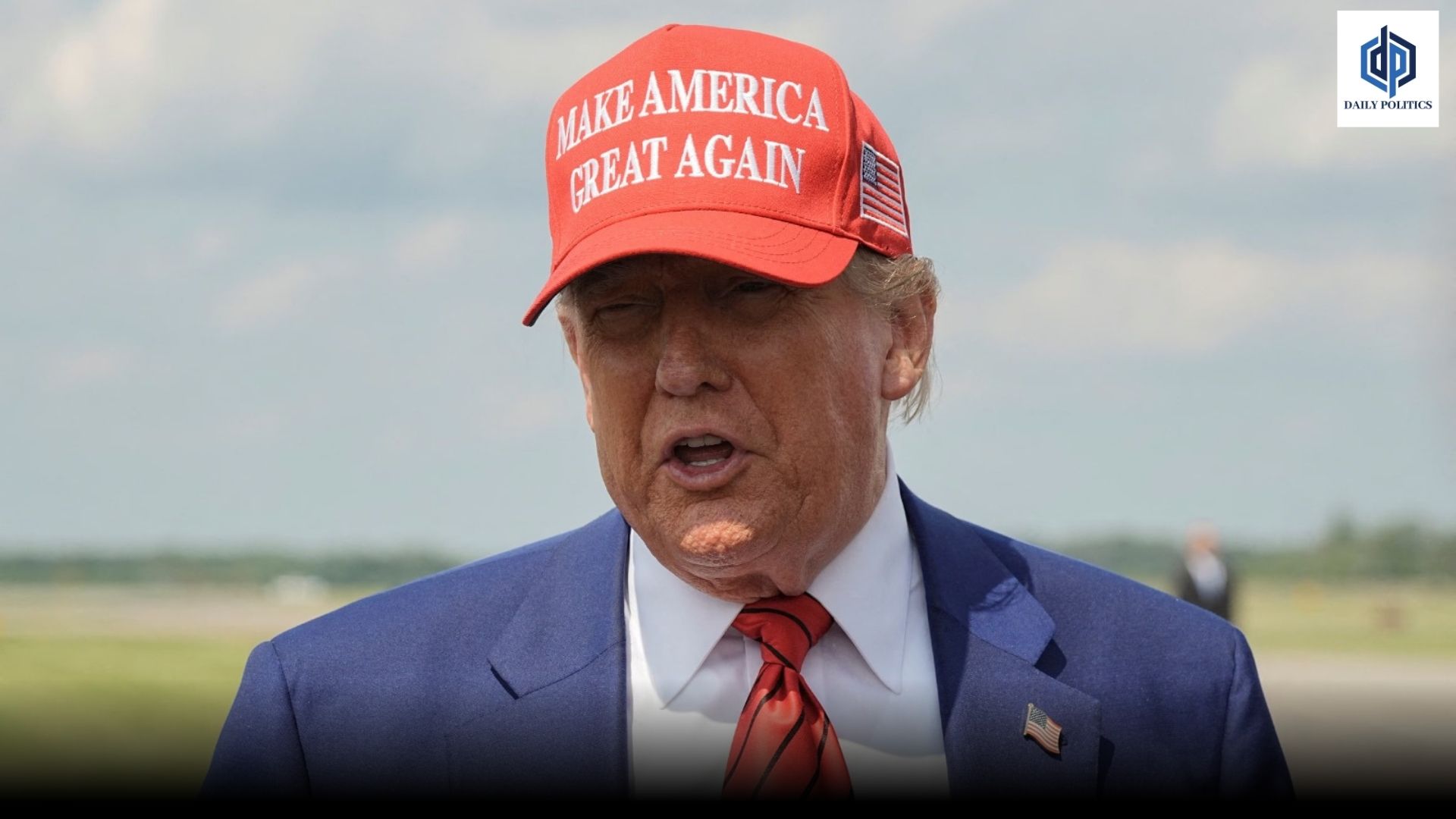
The United States has intervened in global elections for decades. However, no contemporary president has acted as audaciously as Donald Trump.
Disregard clandestine CIA-conceived schemes or covert media initiatives. Trump has explicitly urged the electorates of foreign nations to support his right-wing associates, often using his preferred medium of social media.
Recently, Trump sponsored Honduran right-wing candidate Nasry Asfura on his Truth Social platform, declaring him “the only genuine friend of Freedom” and promising to collaborate with him. Asfura maintained a slender advantage after the vote on Sunday.
“I cannot recall an instance in modern history when a US president openly expressed his preferences regarding foreign elections in this manner,” said Thomas Carothers, head of the Democracy, Conflict, and Governance Program at the Carnegie Endowment for International Peace.
Trump has felt particularly empowered in Latin America, a region historically subject to U.S. intervention.
Trump’s Secretary of State, Marco Rubio, has disparaged Colombia’s democratically elected leftist president, Gustavo Petro, labelling him a “lunatic,” and has enacted penalties against a Brazilian court that punished former far-right president Jair Bolsonaro for attempting to subvert election results.
In Argentina, Trump pledged $20 billion to support the faltering economy but cautioned that the funds might be withdrawn if voters opposed President Javier Milei in the parliamentary elections. The radical libertarian party finally prevailed.
“It is a persistent effort to sway political dynamics, reinforcing what I believe they perceive as an accelerating shift towards the right across the region,” said Will Freeman, a fellow for Latin America at the Council on Foreign Relations.
In Venezuela, devoid of electoral influence, Trump has proposed the use of US military force to depose socialist leader Nicolas Maduro.
Focus on Europe
Trump has also sought to influence the balance of power in Europe. Kristi Noem, the head of homeland security, publicly backed Karol Nawrocki, the conservative presidential candidate who subsequently emerged victorious, on her visit to Poland.
Trump has had less success in Romania, where a far-right associate lost the presidential election after the contentious annulment of a prior vote.
Vice President JD Vance openly criticised limits on the far-right AfD party during his trip to Germany. Trump and his associates have lauded British anti-immigration legislator Nigel Farage while condemning a judicial decision in France about far-right leader Marine Le Pen.
The Trump administration has curtailed decades of initiatives to promote democracy internationally, with Rubio sending a letter directing diplomats to refrain from commenting on the validity of other elections.
The position reflects Trump’s strategy for domestic elections. He refused to acknowledge his 2020 defeat and faced charges for attempting to reverse the results in Georgia—a case dismissed last week after his 2024 electoral triumph.
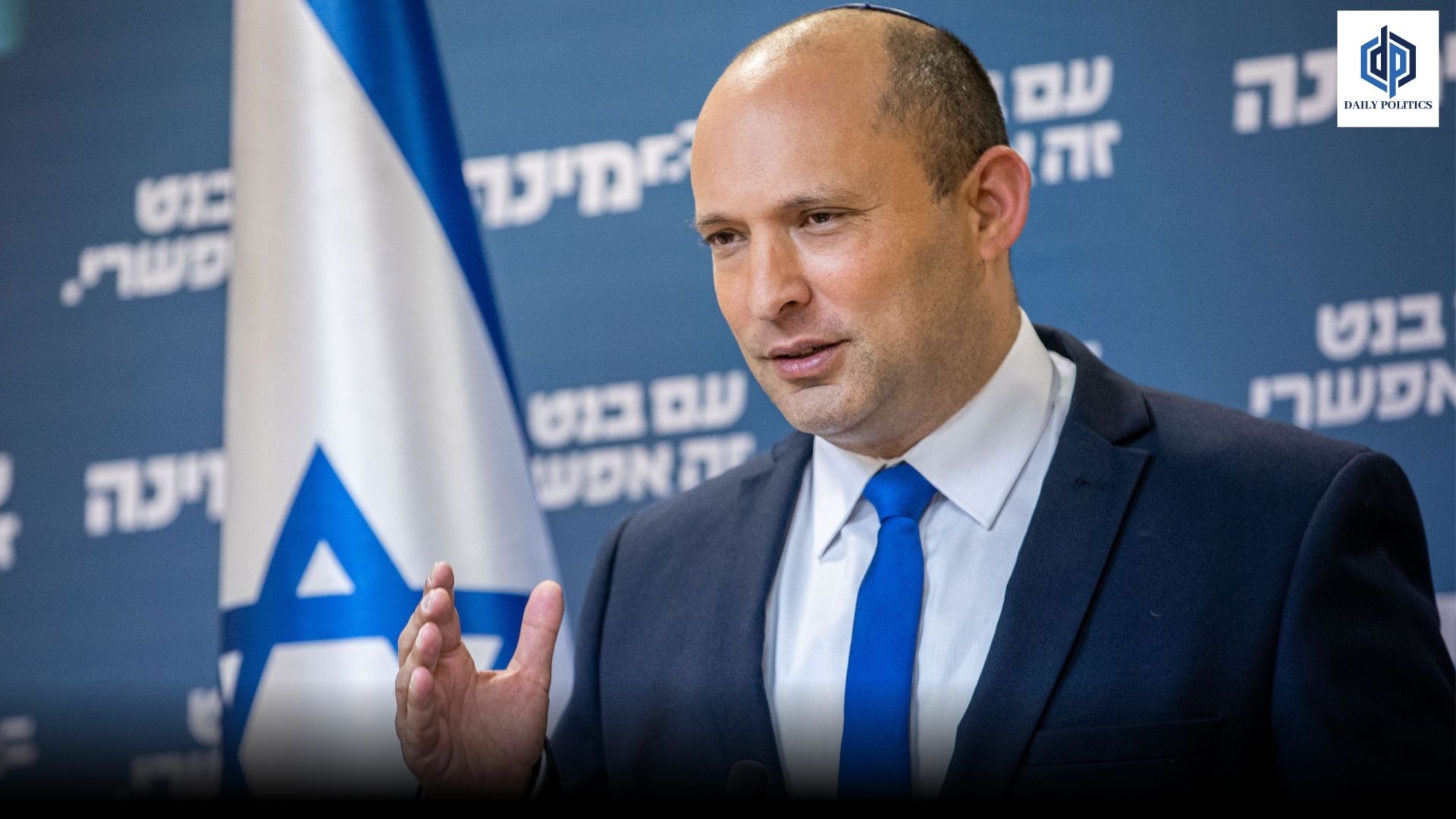
Trump, perhaps cognizant of his own circumstances, has publicly implored Israel’s president to grant clemency to the scandal-embattled Prime Minister Benjamin Netanyahu.
Distinctive Trump methodology
Ironically, in a speech delivered in Riyadh in May, Trump condemned interventionism, particularly regarding the Middle East, asserting that previous US endeavours have resulted in calamities.
In his 2021 publication, political scientist Dov Levin found that the United States has intervened in foreign elections more than 80 times since the end of World War II, surpassing any other nation.
Carothers said that Trump was distinctive not just in his public strategies but also in his evident intentions.
“It differs from the Cold War era when the United States frequently supported specific individuals, but this was motivated by geostrategic considerations,” he said.
“What we have here is that Donald Trump perceives a network of allies in the world whom he wishes to assist,” he said.
Carothers said that only Russia approached the level of tactical engagement, with the Kremlin using significant influence to express its views in former Soviet bloc nations, as seen recently in Moldova when its candidate was defeated.
A significant majority of European leaders want Viktor Orban’s defeat in the next election, but they will not express this publicly, he said, referencing Hungary’s right-wing populist prime minister.
Last month, Trump received Orban at the White House. In a joint statement to reporters, Trump said that European leaders should show more appreciation for Orban.