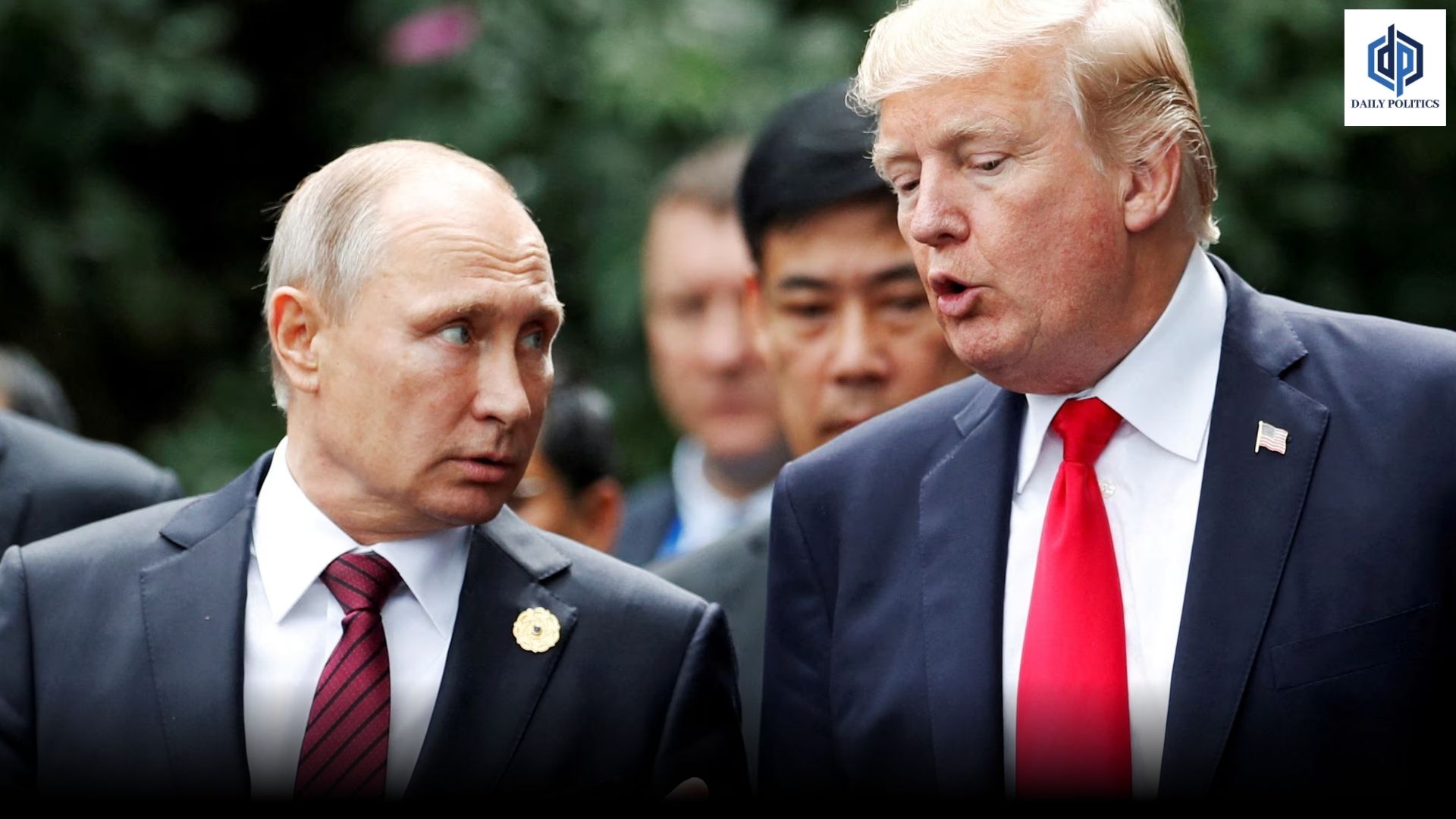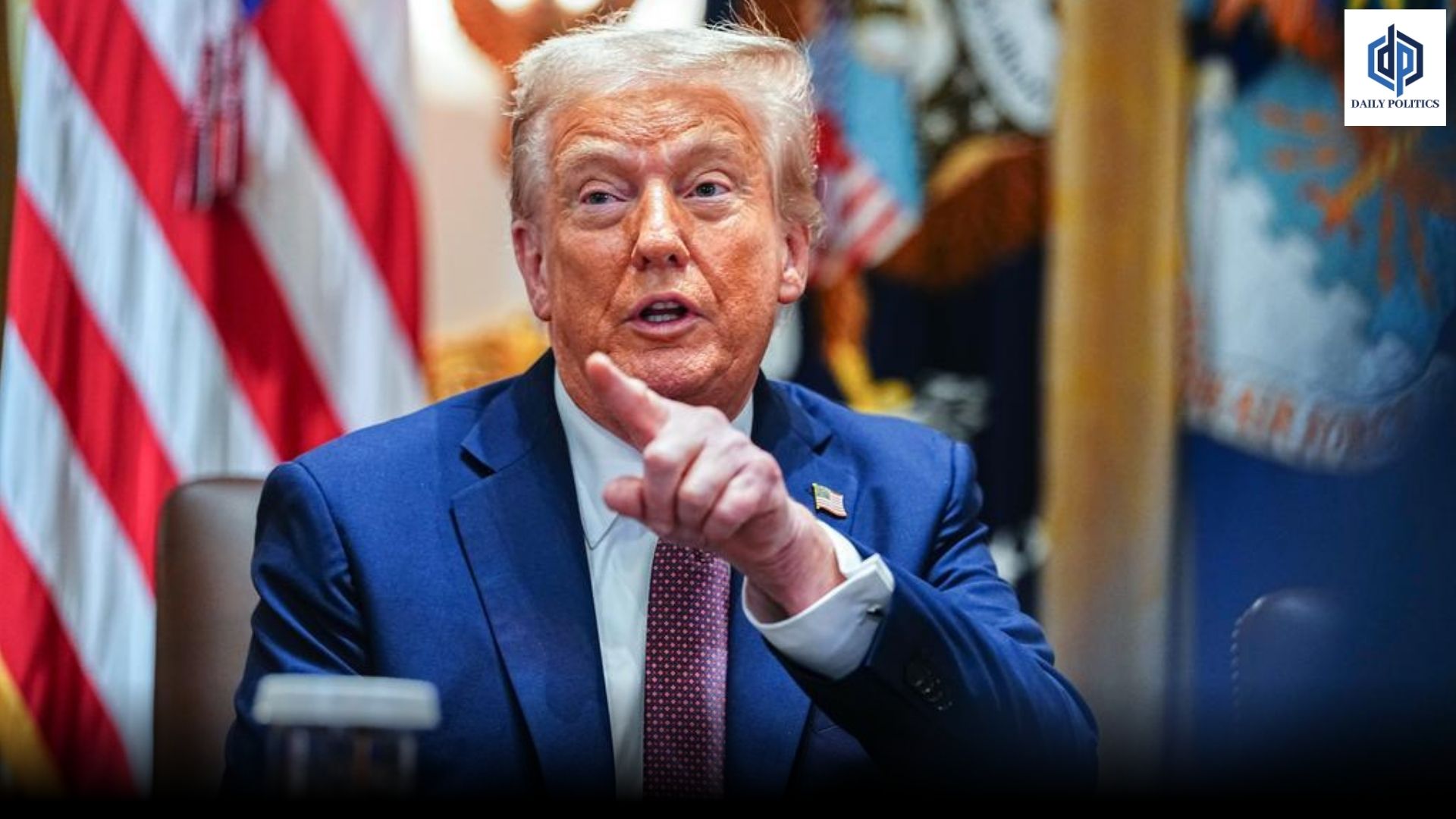
The lunch meeting between US President Donald Trump and Pakistan’s military chief has sparked a private diplomatic protest from India. This protest serves as a warning to Washington regarding potential risks to their bilateral ties, particularly as New Delhi seeks to recalibrate its relations with China as a strategic hedge, according to officials and analysts.
Recent meetings and escalating tensions in the US-India relationship, which has thrived for decades, are now influencing trade negotiations. Sources indicate that the Trump administration is considering imposing tariffs on one of its key partners in the Indo-Pacific region.
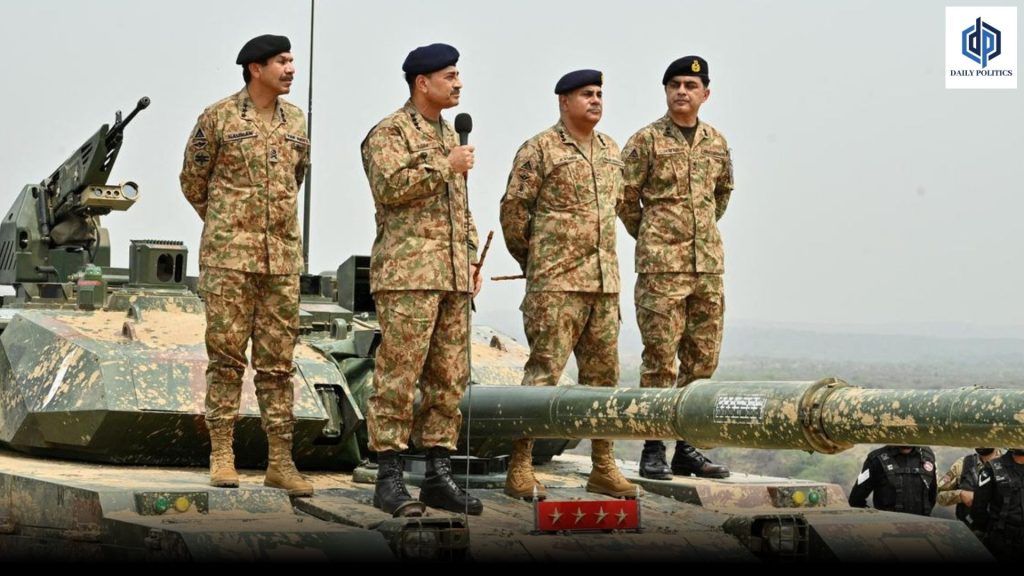
India has accused Pakistan, particularly its military establishment, of backing what it terms cross-border terrorism. Senior Indian government officials have informed Reuters that India has conveyed to the United States that it is sending inappropriate signals by courting Field Marshal Asim Munir.
According to sources, this has established a contentious issue that is likely to hinder future relations. Pakistan has refuted claims of supporting militants responsible for attacks on Indian targets, asserting that New Delhi has failed to present any evidence of its involvement.
Over the past two decades, the relationship between the United States and India has strengthened significantly, overcoming minor challenges along the way. This development can be attributed to the mutual interest of both nations in countering China’s influence. Michael Kugelman, a senior fellow at the Asia Pacific Foundation think tank in Washington, stated that the current problems are distinct.
“The United States’ increasing engagement with Pakistan, coupled with a perceived disregard for Indian concerns—particularly in the aftermath of India’s recent conflict with Pakistan—has led to a noticeable strain in bilateral relations.”
“The current concern revolves around the fact that one of the catalysts for escalating tensions—specifically, Trump’s unpredictability—is now influencing the trade sector through his tariff strategies,” he stated.
Requests for comment from Prime Minister Narendra Modi’s office and India’s Ministry of Foreign Affairs went unanswered. The foreign ministry has indicated that it has “taken note” of the meeting between Trump and Munir.
India, like other countries, is adjusting its approach to Trump while recalibrating its relationship with China as a strategic safeguard, according to Harsh Pant, head of foreign policy at the Observer Research Foundation think tank in India.
“There is indeed an outreach to China,” he stated. “It appears to be a reciprocal effort, as China is also making strides to engage.” Last week, India’s External Affairs Minister S. Jaishankar embarked on his inaugural visit to Beijing following the deadly border clash between Indian and Chinese troops in 2020.
India is taking steps to relax the restrictions on investments from China that were imposed after the 2020 clash.
The thaw occurs amid India’s tense relations with China, alongside Beijing’s strong connections and military backing of Pakistan.
New Delhi’s apprehension regarding Trump’s fluctuating approach to China—oscillating between conciliatory gestures and confrontational tactics—seems to have played a significant role in its evolving position on Beijing.
“Given the unpredictable nature of the dealmaker in the White House, New Delhi cannot dismiss the possibility of a Sino-US rapprochement,” stated Christopher Clary, an associate professor of political science at the University at Albany, New York.
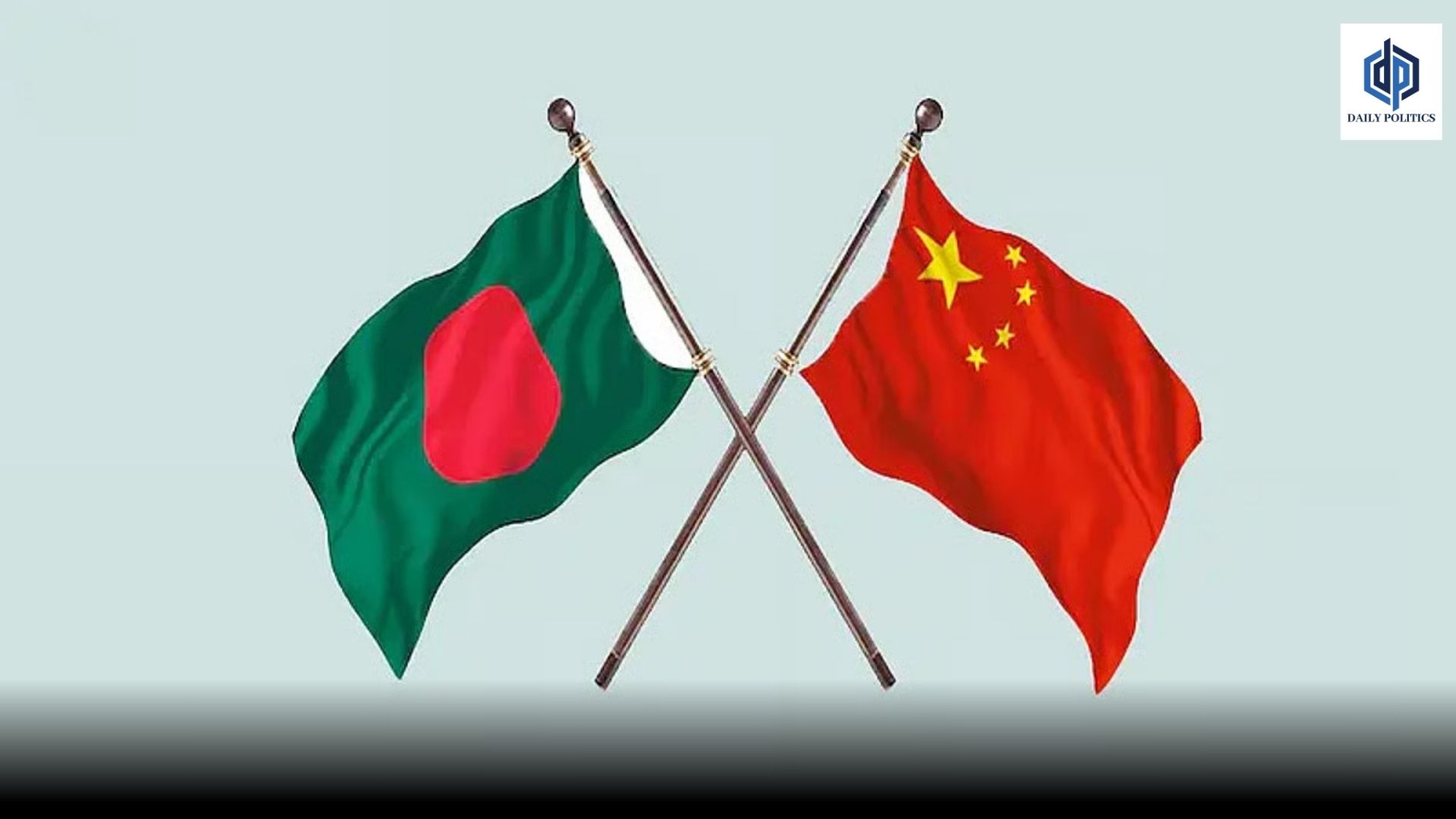
India is expressing concerns over the assistance provided by China to Pakistan, as well as the increasing Chinese influence in neighbouring regions, particularly in Bangladesh. New Delhi has determined mainly that its strategy to counter growing Chinese influence should prioritise exerting pressure on its closest neighbours rather than directly confronting China itself.