Iran initiated fresh assaults on US Gulf allies on Saturday following a seventh consecutive night of US airstrikes aimed at Iranian military installations, including logistical facilities, and intensifying the conflict one week after a tenuous ceasefire collapsed.
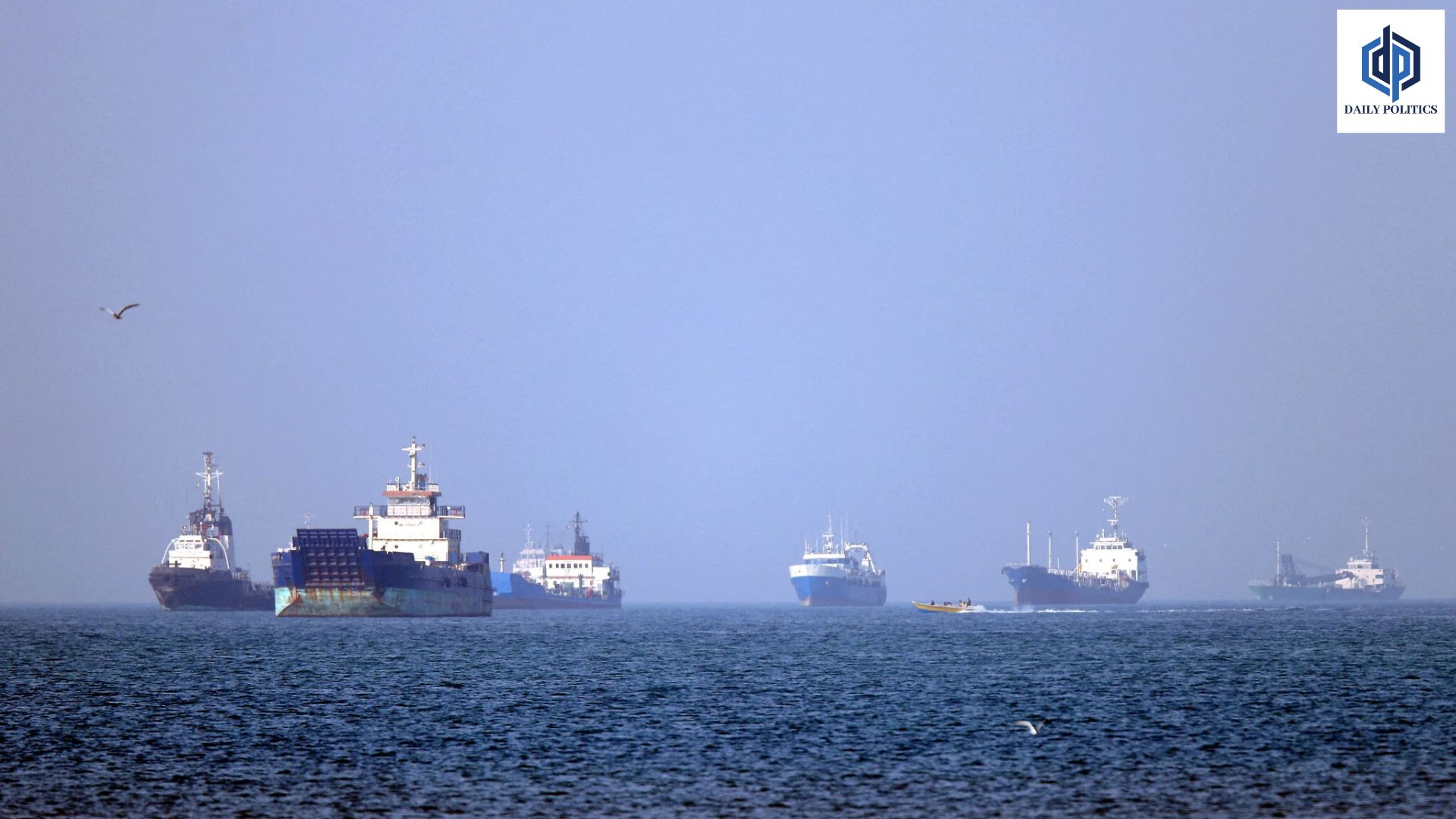
Both parties directed their focus towards maritime commerce, with the U.S. asserting the implementation of a naval blockade, while Iran claimed it was targeting ships that contravened its navigation regulations in the Strait of Hormuz, a crucial passage for one-fifth of global oil supplies.
Oil prices surged over 4 per cent on Friday, reaching their peak in almost a month, thereby exerting political pressure on U.S. President Donald Trump as his Republican Party endeavours to maintain power in the upcoming November congressional elections.
Washington and Tehran have been probing the boundaries of escalation following the breakdown of their ceasefire agreement last week, heightening the possibility of a resurgence of full-scale conflict.
The Central Command of the U.S. military announced the completion of its most recent series of strikes targeting monitoring installations, military logistics facilities, subterranean arms depots, and naval assets. Central Command stated that U.S. forces utilized fighter jets, unmanned aerial vehicles, and naval vessels, among other resources. Over 50,000 American military personnel are deployed throughout the Middle East, maintaining vigilance, lethality, and preparedness.
Iranian outlets announced on Saturday that multiple missiles targeted electricity infrastructure and desalination systems in the southern city of Jask, according to a regional authority. The official stated that the water supply has been severed in villages of Jask as a result of the assault.
The United States announced that its military redirected four commercial ships, incapacitated one, and boarded another to uphold its maritime blockade on Iran.
Iran’s Revolutionary Guards announced that four ships breaching its shipping regulations were intercepted from transiting the strait in a coordinated missile and drone operation.
Furthermore, Iranian media, referencing Iran’s Revolutionary Guards, announced that two oil tankers detonated and ignited after traversing a mined passage south of the strait. The U.S. armed forces deemed the report to be inaccurate.
Militant individuals commandeered a further ship near Yemen, heightening apprehensions regarding security at another significant oil transit point in the Middle East, located at the entrance to the Red Sea.
Iran’s national broadcaster reported the Revolutionary Guards asserting that the export of chemical fertilisers or any “single drop of oil and gas” from the region will be unfeasible until U.S. “aggression” ceases.
Mohsen Rezaei, a counsellor to Iran’s supreme leader, cautioned on Friday against U.S. intensification or any efforts to appropriate Iranian land.
Apprehension regarding infrastructure
UN Secretary-General Antonio Guterres expressed alarm regarding the intensification, especially concerning “assaults on civilian infrastructure in Iran and throughout the region”, according to his spokesperson.
The Central Command of the U.S. military stated that its objectives encompassed “military logistics infrastructure,” marking the first instance in over a week that infrastructure has been referenced.
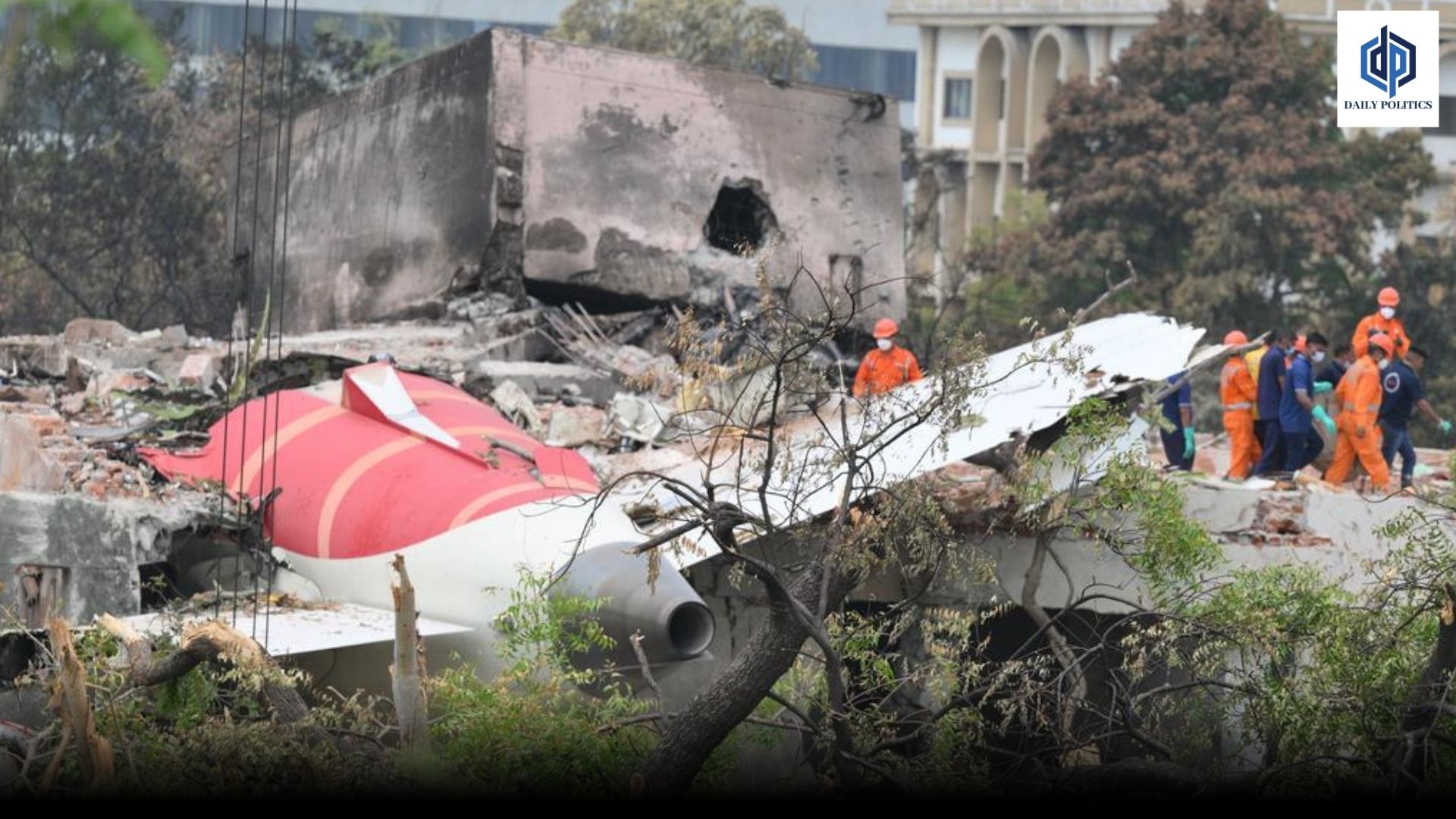
Iranian outlets disclosed that adversarial assaults occurred early Saturday on the coastline of Hormozgan Province, situated on Iran’s side of the Strait of Hormuz. State television said that three individuals lost their lives and eight sustained injuries, while two bridges and a roadway tunnel incurred damage.
Iranian news outlets indicated that explosions were audible or attacks were executed in Sirik, Ahvaz, Yazd, Jask, and Khorramabad late Friday or early Saturday.
On Friday, Iranian state television said that a minimum of five bridges in the south were targeted in U.S. strikes. Seven individuals were reported deceased due to assaults on bridges in the southern port city of Bandar Khamir, where a train station was also targeted. An airport was allegedly struck further inland in Iranshahr, a region adjacent to Pakistan.
Trump has issued a warning about extensive aerial bombardments targeting Iran’s infrastructure and has not dismissed the possibility of a ground invasion along Iran’s coastline or islands. U.S. authorities have indicated that assaults on southern Iran are partially intended to provide Trump with alternatives.
Such actions may incite Iran to target the critical infrastructure of susceptible Gulf nations or compel its supporters in Yemen to exacerbate global energy disruptions by assaulting maritime routes from the Red Sea.
Iran declared assaults on Gulf nations accommodating U.S. airbases, namely Bahrain, Qatar, Kuwait, and Jordan, as well as a U.S. ship in the northern Indian Ocean. Saudi Arabia’s civil defence provided preliminary alerts, the first in several months, at a minimum of two locations but has not yet documented any damage. In the initial stages of the conflict, Iran targeted several energy installations in the oil-abundant kingdom.
Kuwaiti officials reported that an Iranian assault targeted one of the nation’s power generation and water desalination facilities, resulting in damage, a fire, and the interruption of numerous electrical generation units.
The Kuwaiti military subsequently stated it was retaliating against Iranian drone assaults.
Iran’s Revolutionary Guards announced that they targeted a U.S. drone facility in Bahrain and obliterated the primary artificial intelligence centre in Bahrain using ballistic missiles and drones.
The Iranian navy launched a shore-to-sea cruise missile at what it identified as a hostile U.S. ship in the northern Indian Ocean, according to the state news agency IRNA. Iran’s military stated that the missile firing created “fear and panic”, compelling the ship to retreat beyond the reach of Iran’s naval forces.