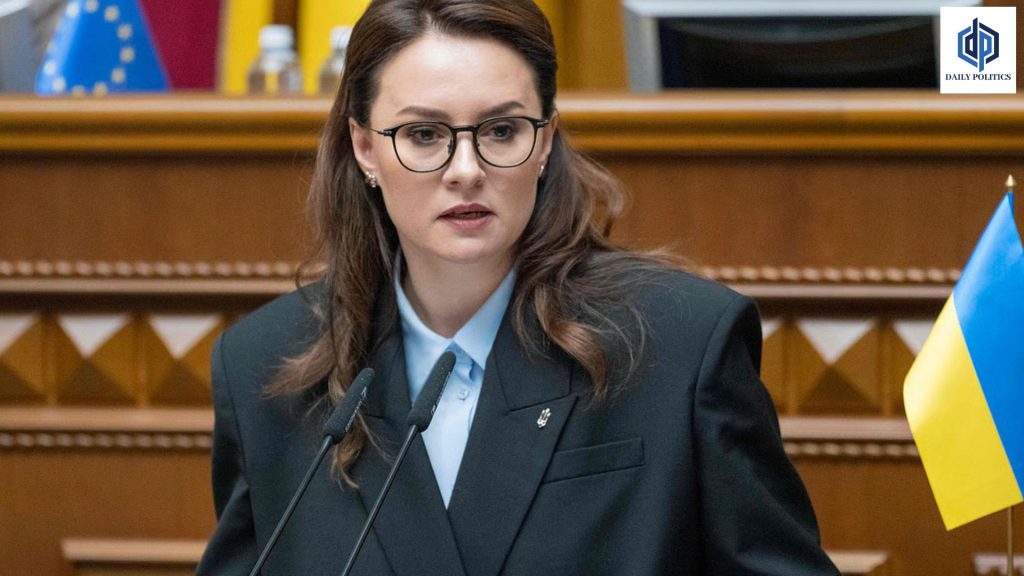
Yulia Svyrydenko, Ukraine’s prime minister, resigned on Tuesday as a result of a cabinet reorganisation mandated by President Volodymyr Zelenskyy.
The Ukrainian leader has not appointed a successor and has stated just that Kyiv is “changing its political strategy” in response to “new difficulties and new duties.
Ukraine’s parliament officially sanctioned Svyrydenko’s resignation through a vote on Tuesday.
Appointed in July 2025, she was perceived as having favourable contacts with US officials, having brokered a minerals investment agreement with Washington following Zelenskyy’s confrontation with President Donald Trump in the Oval Office.
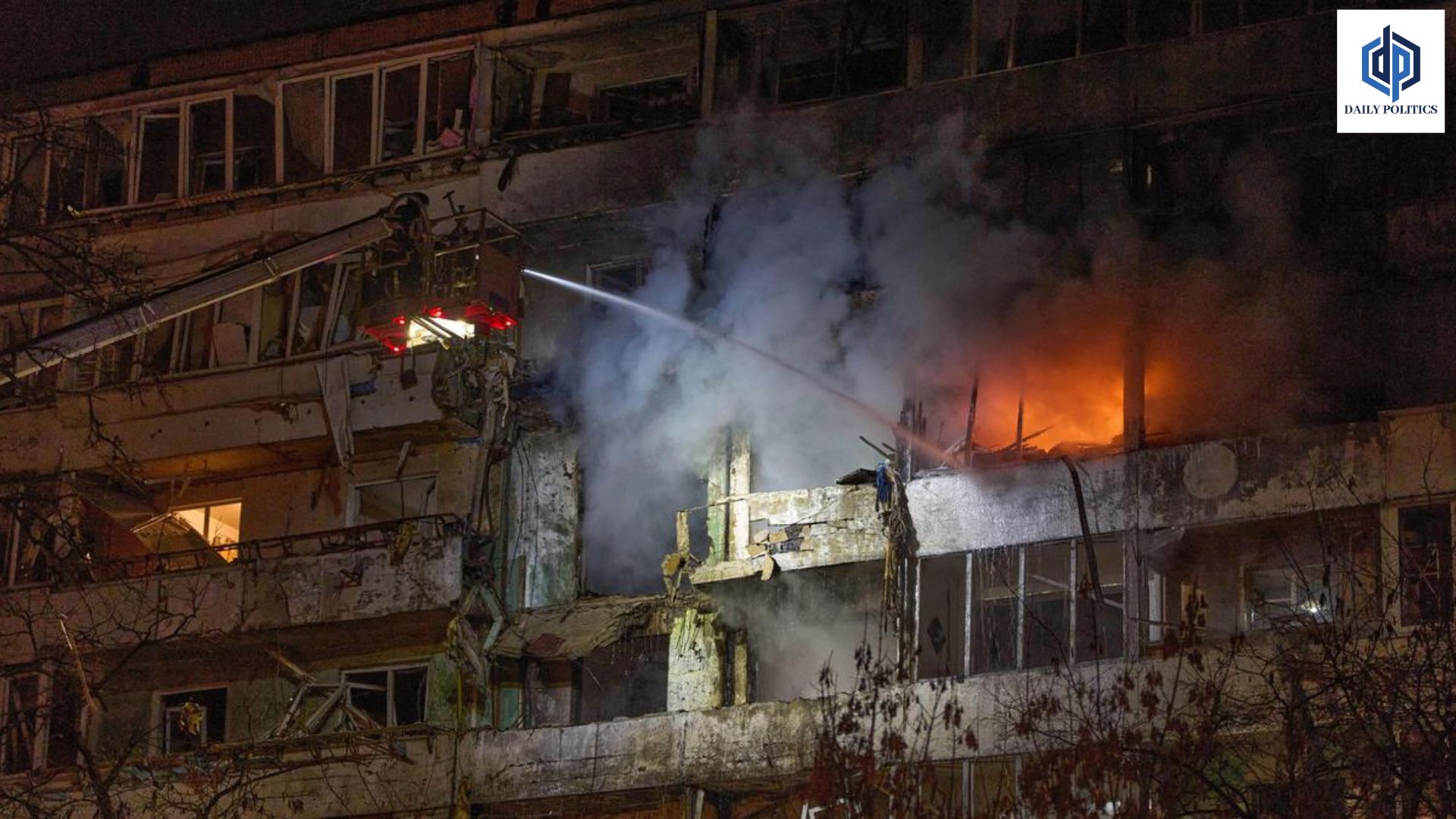
The shift occurs at a critical juncture in the protracted four-year conflict with Russia, as Moscow intensifies its lethal ballistic missile assaults on Ukraine, while Kyiv intends to manufacture US Patriot air defence systems domestically.
Zelensky announced the weekend reshuffle, stating his intention to appoint several individuals to oversee distinct aspects of foreign policy, and indicated that he had proposed a new position for Svyrydenko to supervise “relations with a key partner”, without further details.
The prime minister’s job often excludes involvement in military strategy or frontline operations, but Zelenskyy and his military leaders often determine military strategy and frontline operations, excluding the prime minister from these responsibilities. By Zelenskyy and his military leaders.
Svyrydenko asserted that she had achieved “concrete results” in her tenure and shared a photograph of herself forming a love symbol with her hands while addressing parliament.
Ukrainian media has identified Sergiy Koretsky, the CEO of the state energy company Naftogaz, as the leading candidate for her replacement.
Zelenskyy convened with Koretsky over the weekend, subsequent to his announcement regarding the dismissal of Svyrydenko, and commended his “excellent leadership” in an “exceptionally intricate area.
Energy is a paramount concern in Ukraine, as the grid has suffered extensive damage from Russian assaults, resulting in massive power shortages throughout winter.