On Wednesday, US President Donald Trump stated that indirect negotiations with Iran in Qatari conversations, conducted at a subordinate level and centred on the execution of the memorandum, aimed to “expand on the progress made at the Lake Lucerne Summit” and were advancing, providing a preliminary indication that diplomatic efforts were persevering despite recent hostilities that jeopardised attempts to resolve the Middle East conflict.
Iran’s Deputy Foreign Minister Kazem Gharibabadi, who headed Tehran’s team, subsequently stated that the discussions had completed and that the parties had consented to create a communication channel by Thursday to report and document violations of their initial memorandum of understanding.
Iran maintained that there will be no direct conversations in Doha over the agreement intended to conclude the conflict that started with US-Israeli bombings on Iran in late February.
“The denuclearisation of Iran is progressing favourably,” Trump told reporters prior to boarding Air Force One.
“We struck them decisively… yet we maintain a harmonious relationship.”
The memorandum of understanding, facilitated by Qatar and Pakistan and finalised at a meeting last month in Lucerne, Switzerland, included a 60-day truce, the reopening of the blockaded Strait of Hormuz, and a schedule for a conclusive agreement on the conflict and Iran’s nuclear programme.
Contact lines
A diplomat, speaking to AFP on the condition of anonymity, stated that the Qatar conversations, conducted at a subordinate level and centred on the execution of the memorandum, aimed to “expand on the progress made at the Lake Lucerne Summit”.
Tehran refuted Trump’s prior assertion that the discussions would be direct; with foreign ministry spokesperson Esmaeil Baqaei stating that Iran has “no intention of having conversations with the American side at any level in the forthcoming days”.
Gharibabadi stated that the meetings also addressed the blocked Iranian assets, which Tehran has insisted upon for any resolution.
He stated that authorities assessed the allocation of a portion of the original $6 billion and concurred that essential product for Iran would be procured and provided.
US envoys Jared Kushner and Steve Witkoff were not participating in the technical discussions, according to the diplomat, following their meeting with Qatar’s Prime Minister Sheikh Mohammed bin Abdulrahman Al Thani on Tuesday.
The foreign ministry of Qatar stated that the three parties deliberated on the US-Iran discussions and the situation in Lebanon.
On Wednesday, the administration of Qatar’s emir said that Kushner and Witkoff had also conferred with ruler Sheikh Tamim bin Hamad Al Thani.
Anna Jacobs, a non-resident fellow at the Arab Gulf States Institute, stated that the negotiation process is “premature”, with conflicts occurring both personally and publicly.
“The overarching positive message is that they are persisting in their engagement following the confrontations last week,” she informed AFP.
Ceasefire tensions
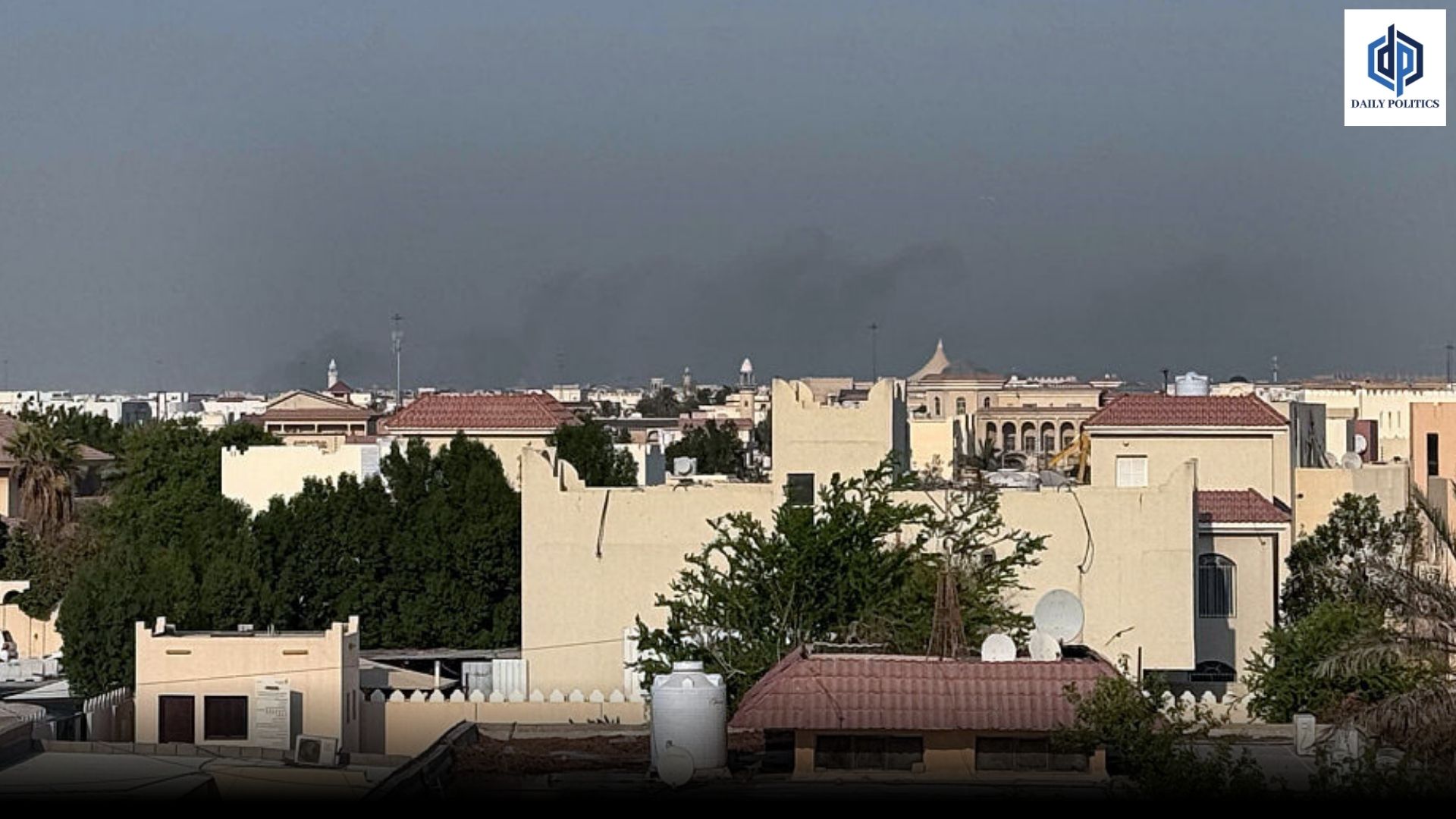
Following the signing of the US-Iran agreement last month, both parties have engaged in hostilities in the Gulf, highlighting the challenges of transforming the preliminary ceasefire into a durable resolution.
Tehran aimed at a commercial vessel it claimed had deviated from its sanctioned course in the Strait of Hormuz, while US Central Command stated it had targeted 10 Iranian military installations.
Iran subsequently targeted US installations in Kuwait and Bahrain, eliciting denunciation from both Gulf nations.
Iran’s senior negotiator, Mohammad Bagher Ghalibaf, stated on Tuesday that “when a conflict of this scale concludes, it is unavoidable that there would be implementation issues, incidents, and divergences of view, particularly with entities such as the Israeli government.”
He stated that Iran’s team in Doha will concentrate on executing provisions pertaining to Hormuz and the conflict in Lebanon.
Hostilities seemed to have diminished in the days preceding the Qatar negotiations, with oil prices declining as markets were bolstered by the ongoing US-Iran dialogue.
On the Lebanon border, hostilities between Israel and Hezbollah have remained comparatively subdued.
Hezbollah, supported by Iran, escalated the conflict in Lebanon in March by launching rockets at Israel, which provoked Israeli airstrikes and a ground invasion.
Tehran has asserted that any conclusive agreement must encompass the cessation of the Lebanon conflict and the removal of Israeli forces from the southern region, a portion of which they now hold.