SPECIAL REPORT | 19 NOVEMBER 2026
DHAKA, BANGLADESH — Bangladesh continues to grapple with the ramifications of political oppression, accusations of crimes against humanity, and a resurgence of violence over two years after the fatal revolt of July–August 2024 that ended Sheikh Hasina’s administration.
The ex-prime minister, currently living in India, indicates her desire to return to Bangladesh, while new accusations of homicides, arson, bomb detonations, and politically driven harassment linked to individuals purportedly connected to the Awami League have sparked significant apprehension regarding public safety and political stability.
The 2024 Repression’s Aftermath: As Many as 1,400 Lives Claimed
The United Nations Human Rights Office reported in February 2025 that over 1,400 individuals could have lost their lives amid widespread protests against Sheikh Hasina’s government from July 1 to August 15, 2024. The UN inquiry recorded severe accusations of systematic oppression, extrajudicial murders, torture, and other significant human rights abuses perpetrated by state security forces and factions linked to the then-governing Awami League. The results suggested that some actions may qualify as crimes against humanity according to international law. For several Bangladeshis, the primary concern is whether those accountable for the violence will encounter substantial legal repercussions.
Resurgent homicides, incendiary acts, and detonations heighten public safety apprehensions.
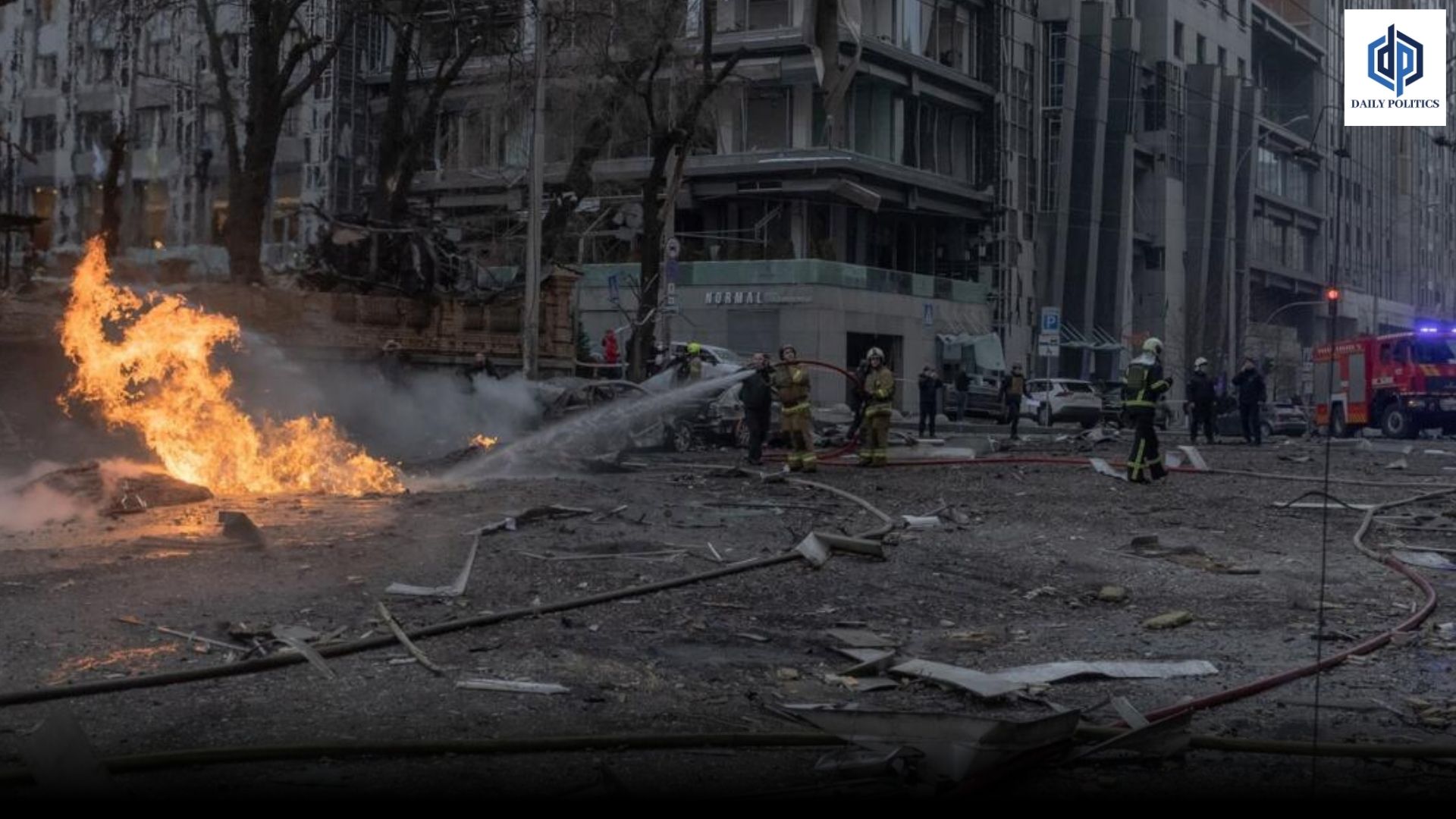
Recent accounts of political violence have heightened concerns over enduring instability. International media reported on 18 November 2026 that law enforcement recorded many occurrences of crude bomb detonations and car arson throughout at least 28 districts over a span of around 10 days. Accounts also detailed lethal assaults, confrontations involving political advocates, the incineration of public transit, and assaults on political establishments and financial entities. Government representatives have alleged that those associated with the Awami League are implicated in some events. Nevertheless, accountability for specific assaults must be determined by reliable and impartial enquiries. The intentional assault on non-combatants and the use of violence to instill fear in communities cannot be rationalised as valid political conduct.
Political Resurgence or a Bid to Preserve Party Dominance?
Since departing Bangladesh for India on 5 August 2024, Sheikh Hasina has continued to be a highly contentious individual. Her stated plan to return by December has sparked discussion over the political and legal viability of such an action. Her imminent return faces significant challenges due to enquiries regarding her legal status, calls for accountability related to the 2024 suppression, and the diplomatic ties between Bangladesh and India. Critics interrogate if the assurances of resurgence signify a feasible approach or only an attempt to bolster the morale of followers.
Accusations of coordinated aggression subject the Awami League to examination.
The Awami League confronts significant enquiries over its leadership, political behaviour, and prospective function. Recent accusations, including arson, detonations, assaults on political adversaries, and coercion, have heightened the scrutiny of those linked to the organisation. Government representatives have claimed that Awami League members based overseas incited turmoil. These assertions need comprehensive examination. If proof demonstrates that political officials orchestrated, funded, or incited assaults on citizens, they should be held accountable through prosecution. Criminal accountability should be assessed on an individual basis rather than inferred purely from political association.
This issue extends from Tungipara to all of Bangladesh.
Accounts of turmoil in Tungipara, the birthplace of Sheikh Hasina, have underscored the difficulties confronting law enforcement and political harmony. For a political party that has always positioned itself as a champion of democracy and the heritage of Bangladesh’s independence, accusations of physical coercion and assaults on civilians provoke significant concerns. Historical achievements do not absolve leaders or individuals from examination about purported illegal activities. Political legitimacy should be founded on democratic engagement, public trust, human rights, and adherence to the rule of law.
Sheikh Hasina’s greatest obstacle is accountability.
Sheikh Hasina has dismissed accusations levelled against her and questioned the validity of the judicial actions stemming from the events of 2024. Nonetheless, global human rights reports and the recorded magnitude of violence necessitate urgent consideration. Her political prospects cannot be evaluated exclusively based on remarks regarding a comeback. This situation must also be evaluated in light of the fatalities during the suppression, accusations of misconduct under her governance, and the behaviour of political figures acting on behalf of her party.
Conclusion: Bangladesh Requires Justice, Not an Additional Cycle of Violence.
The democratic prospects of Bangladesh hinge on transcending retribution, coercion, and persistent aggression. The individuals impacted by the 2024 suppression merit justice, as do those harmed by the homicides and incendiary assaults. Sheikh Hasina’s assurances of a comeback do not address concerns about her administration’s performance or the behaviour of those linked to her party. The crucial inquiry is not only when she may come back, but rather whether those culpable for historical and ongoing political violence will face repercussions. The future of Bangladesh should be shaped by democratic frameworks, an impartial judiciary, and the will of its citizens, rather than via intimidation, violence, or conflict.
Editorial Commentary
This article differentiates between verified evidence and claims as well as political interpretations. Assertions regarding accountability for the latest assaults are still under scrutiny. Authenticate the most recent official documentation, autonomous journalism, and replies from pertinent stakeholders before dissemination.