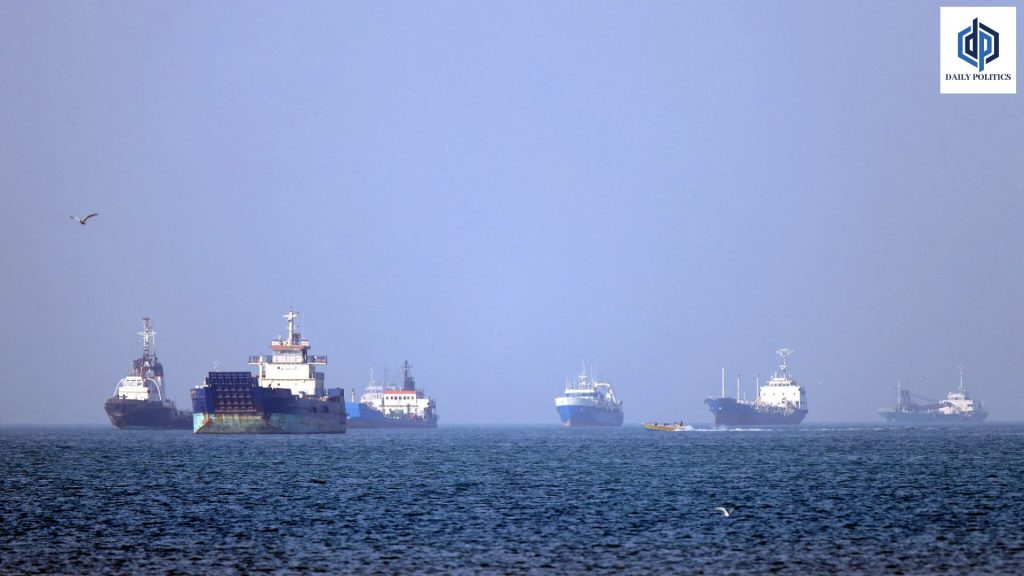
The Iranian ambassador to China asserted on Saturday that additional tariffs would be imposed on vessels traversing the Strait of Hormuz—an initiative dismissed by Washington—while guaranteeing that “friendly” states would be afforded preferential treatment.
The preliminary agreement established between Iran and the United States to conclude their conflict mandated that commercial vessels would navigate the strait without charge for 60 days; however, the arrangements following this timeframe remain ambiguous.
Iranian Ambassador Abdolreza Rahmani Fazli informed the World Peace Forum in Beijing that his nation was engaged in “collaboration and cooperation” with Oman regarding “new arrangements” for the crucial canal.
“As a nation with the Hormuz within its territorial waters, we will certainly impose service fees,” Azli stated in translated comments, while asserting that such fees would not constitute a “toll.”
“These new arrangements will focus on ensuring the security of navigation through the Straits of Hormuz, overseeing vessel passage, and addressing the environmental impacts of the substantial volume of ships,” he stated.
“We will certainly contemplate preferential treatment for the nations that have been supportive and steadfast during our challenging periods,” he continued.
The strait typically transports one-fifth of the global crude oil and liquefied natural gas; nevertheless, it was nearly obstructed by Iran during the Middle East conflict, resulting in a surge in energy costs.
Iran has removed its blockade of the Hormuz following an initial agreement with the US to conclude the Middle East war, with discussions for a permanent resolution of the conflict still in progress.